By Dr Nishma Kotecha, dentist
Move over, avocado toast. Britain's new favourite flavour is sour.
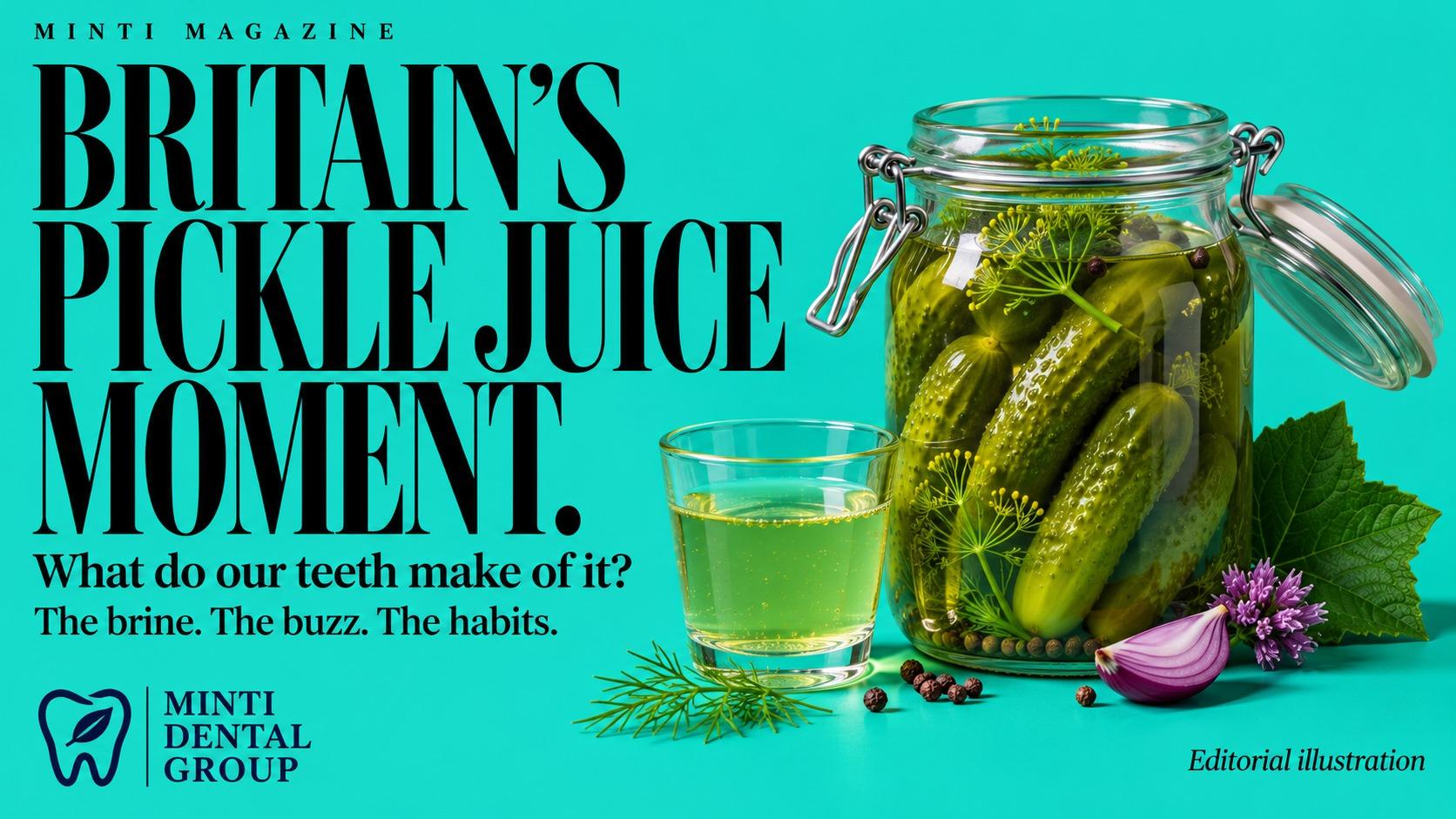
Waitrose's latest Food & Drink Report, covered by Grocery Gazette, points to "sharper, tangier flavours such as pickles and brines" as part of how we'll be eating in 2027. It also flags lighter pickle-based dressings as an increasingly popular product, and the supermarket's director of own brand, Maddy Wilson, says shoppers are "leaning into unapologetic crunch, bold brines".
And it's not just dressings. Pickle juice has been having a moment as a drink too, from sports nutrition to cocktails, as BeverageDaily reported earlier this year.
So, as a dentist, I've got one question. What do our teeth make of all this?
The short answer: pickles themselves aren't the problem. Vinegar and brine can be acidic, and acid can soften and wear away tooth enamel, which is called dental erosion. But a few pickles with your lunch is a very different habit from sipping brine at your desk all afternoon. With teeth, how often and how long acid is in contact with them matters a lot. The Oral Health Foundation advises keeping acidic foods and drinks to mealtimes. Love a pickle? Fine. Turning the brine into your desk drink? Let's talk. (If your teeth already twinge with sharp flavours, here's why teeth can become sensitive all of a sudden, and my take on whether Diet Coke is bad for your teeth, which is the same story.)
Why pickles are suddenly everywhere
I get it. Sour, salty, crunchy flavours are having a big moment. Pickles are turning up in sandwiches, burgers, salads, dressings, crisps and even drinks. They cut through rich food, they add punch to something bland, and there's something very satisfying about that crunch.
The Waitrose report frames it as part of a bigger appetite for bold flavour and texture. And plenty of pickled and fermented foods can be part of a varied diet.
So this isn't a post telling you to stop eating pickles. It's about how you enjoy them.
What makes pickles tough on teeth?
Pickles are usually made with vinegar or brine. Many of them are acidic, which is part of what gives them their tang.
Acid is the main cause of dental erosion. The Oral Health Foundation describes erosion as "the loss of tooth enamel caused by acid", and points out that, unlike tooth decay, it doesn't involve bacteria. It's caused by acid alone.
Enamel is the hard outer layer of your teeth. When acid softens it repeatedly, it can gradually wear away. The OHF says teeth can then look thinner or more yellow, and you might notice sensitivity or pain as the softer dentine underneath becomes exposed. And enamel doesn't grow back.
I don't know the acidity of any particular pickle or brine, and it varies a lot between products. But it's sensible to treat brine as an acidic drink if you're drinking it.
Pickles with lunch vs brine at your desk
This is the bit that really matters.
Eating a few pickles with a meal means your teeth get a short burst of acid, along with everything else you're eating. Your saliva then gets to work, helping to neutralise the acid, and your teeth get a chance to recover before the next meal.
Sipping pickle juice on and off all afternoon is a different story. Every sip brings fresh acid back into contact with your teeth. Your saliva never quite gets the chance to catch up. Over weeks and months, that steady exposure is much more likely to contribute to erosion.
It's the same principle I talk about with sugar, in my Halloween sweets post and Bake Off biscuit week. How often and how long your teeth are exposed often matters as much as what's in your glass.
The same goes for a pickle snack habit. A whole jar of pickles eaten one at a time over an afternoon is closer to sipping than to having a few with lunch.
Check-Ups and Hygiene at Minti
A private check-up is £35 to £38 and a hygiene visit is £60 to £76. On the NHS, a check-up is Band 1, £27.90.
Book a check-up
Does it matter if it's healthy?
People often ask me whether something "good for you" can really be bad for teeth.
The answer is that teeth don't read nutrition labels. Plenty of foods and drinks that are fine, or even good, for your body can still be acidic. The Oral Health Foundation's list of acidic drinks includes fruit juices, smoothies, lemon water and hot water with lemon, all of which people often have for their health.
That doesn't make them "bad". It just means it's worth being smart about how you have them. I'm a big believer in not labelling nutritious foods as bad. It's about habits, not banning things.
How to enjoy your pickles and protect your teeth
The Oral Health Foundation's advice on preventing erosion includes:
- keeping acidic foods and drinks to mealtimes
- swallowing drinks quickly, rather than holding them in your mouth
- using a straw to reduce contact with the teeth
- finishing a meal with milk or cheese, which can help neutralise acid
- chewing sugar-free gum to increase saliva flow
- waiting at least one hour after eating or drinking before brushing your teeth
And a few pickle-specific tips of my own:
- Make pickles part of the meal, not a separate snack throughout the day.
- If you drink pickle juice, don't nurse it. Have it in one go, ideally with food, rather than sipping it at your desk.
- Don't swish it around your mouth. I know some people love the hit of brine, but holding it in your mouth means more contact with your teeth.
- Follow it with water to help rinse your mouth.
- Pair pickles with cheese. Not only is a pickle and cheese sandwich a British classic, but cheese can help neutralise acid. Win-win.
- Keep brushing twice a day with fluoride toothpaste, but leave it an hour after acidic food or drink.
Signs your enamel might be suffering
Erosion tends to happen slowly, so it's easy to miss. Things to look out for include:
- teeth that feel sensitive to hot, cold or sour food and drink
- teeth that look more yellow, as the dentine underneath shows through
- front teeth that look thinner or slightly see-through at the edges
- small dips or a smooth, shiny look on the biting surfaces
If you notice any of these, mention it at your next check-up. Your dentist can spot early erosion, help work out the cause, and suggest ways to protect your teeth. If sensitivity is bothering you now, here's how to ease sensitive teeth, and more on sensitive teeth in general.
New Patient Consultations
A new patient consultation is £45 at our Harlow practices and £35 at Enfield Smiles. Every practice offers NHS and private care.
Request an appointment
A note on salt
Brine is salty as well as sour. That's not really a dental issue, but if you're drinking pickle juice regularly, it's worth being aware of how much salt you're having overall, and checking with your GP if you have any health conditions where salt matters.
A few quick questions
Is pickle juice bad for your teeth? Pickle juice can be acidic, and frequent sipping can expose your teeth to acid for longer, which may contribute to enamel erosion. Having it occasionally, with food, is a very different habit from sipping it all day.
Are pickles bad for your teeth? Not if you enjoy them sensibly. Eating pickles as part of a meal is a lot kinder to your teeth than snacking on them throughout the day.
How can I protect my teeth from acidic foods? The Oral Health Foundation suggests keeping acidic foods and drinks to mealtimes, using a straw, finishing with milk or cheese, and waiting at least an hour before brushing.
Should I brush my teeth after eating pickles? Wait at least an hour after acidic food or drink before brushing, as advised by the Oral Health Foundation.
The verdict
Britain's love affair with pickles and brines looks set to keep growing, and I'm all for bold flavour. A few pickles with your lunch? Lovely. A pickle and cheese sandwich? A classic, and your teeth quite like the cheese part.
It's the all-day brine habit I'd gently steer you away from. Keep the sour stuff to mealtimes, don't sip it for hours, and give your enamel a break. Your teeth can handle a bit of tang. They just don't want it on tap.
This article is general information based on public reporting. It is not personal dental advice. Waitrose has no connection with this article.