
When to see a dentist about toothache
NHS advice is to see a dentist if you have toothache that:
- Lastsmore than 2 days
- Doesn’t easewhen you take painkillers
- Comes witha high temperature, pain when you bite, red gums or a bad taste in your mouth
- Swellingin your cheek or jaw
Call your dentist first. If they’re closed, their answerphone may tell you what to do. If you don’t have a dentist or can’t get an emergency appointment, call NHS 111 or use 111 online, and they’ll arrange urgent dental care if you need it. You may have to pay for the appointment. NHS urgent treatment costs £27.90 in England.
When toothache is an emergency
Call 999 or go to A&E if you have toothache and:
- swelling in your mouth or neck is making it hard to breathe, swallow or speak
- swelling spreads to your eye or down your neck
- bleeding from your mouth won’t stop
- you’ve had a serious injury to your face, mouth or jaw
Don’t drive yourself. Ask someone to take you, or call an ambulance, and bring any medicines you take.
How to ease toothache while you wait
These can help you get through the next day or two. None of them fix the cause, so keep your appointment even if the pain settles.
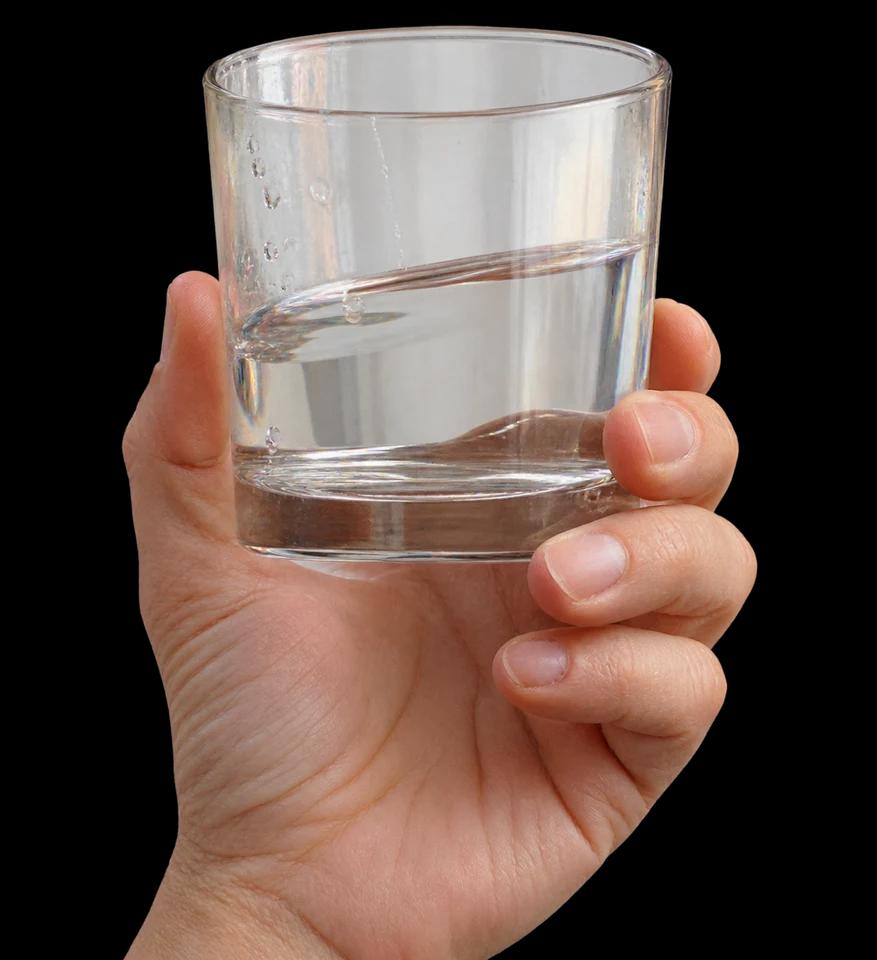
- PainkillersParacetamol or ibuprofen may help. Ask a pharmacist which is right for you, especially if you’re pregnant, take other medicines or have a medical condition. Children under 16 shouldn’t take aspirin unless it’s prescribed.
- Salt waterAdults can rinse with half a teaspoon of salt in a glass of warm water. Not suitable for children.
- Soft foodYoghurt, scrambled eggs, soup and mash. Chew on the other side.
- Avoid triggersVery hot, cold, sweet or hard food and drink.
- Keep it cleanBrush gently with a soft brush. Don’t floss hard around a very sore tooth.
- Pain-relief gelAsk a pharmacist about a gel for adults.
Don’t put painkillers directly on the tooth or gum, and don’t take more than the dose on the packet. If you need more than the maximum dose to cope, that’s a sign to get urgent help.
Why toothache is worse at night
Toothache often feels worse at night, especially once you lie down. Lying flat sends more blood towards your head, which adds pressure inside a tooth whose pulp is already inflamed. The pulp sits inside hard dentine with no room to swell, so a small rise in pressure can turn a dull ache into a throb. With fewer distractions, you notice it more too.
Pain that is worse lying down and disturbs your sleep is one of the signs of a dental abscess, so a tooth that keeps waking you up needs a dentist soon. If your teeth or jaw ache most when you wake, grinding or clenching in your sleep may be the cause rather than a problem inside one tooth.
- Raise your headSleep propped up on an extra pillow so you are not lying flat.
- Time your painkillerTake ibuprofen or paracetamol before bed at the dose on the packet. Ibuprofen is the preferred choice for a dental abscess if you can take it. If one alone isn’t enough, adults can take both at the leaflet doses, but children under 16 should not.
- Skip bedtime triggersAvoid sweet, very hot or very cold food and drink in the evening, and chew on the other side.
- Cool a sore jawFor jaw pain or swelling, hold an ice pack wrapped in a tea towel against your cheek for 20 to 30 minutes.
If pain still wakes you after painkillers, or you have swelling or a fever, call your Minti practice as soon as it opens. When we’re closed, call NHS 111 or use 111 online.
From our dentists
You don’t need to know what’s wrong before you call. Tell us where it hurts, how long it’s been going on and what sets it off. That’s exactly what we need to know, and it’s the quickest way to get you sorted.
Common causes of toothache
Toothache can come from the tooth itself, the nerve inside it, the gums or nearby structures like your sinuses and jaw. These are the causes we see most often.
| Cause | Often feels like | Usual treatment |
|---|---|---|
| Tooth decay | Twinges with sweet, hot or cold; ache that builds | Filling |
| Dental abscess | Throbbing, swelling, bad taste, fever | Drainage, root canal or extraction |
| Cracked or broken tooth | Sharp pain on biting or letting go | Filling, crown or bonding |
| Lost filling or crown | Sensitivity, sharp edge | Replacement filling or crown |
| Inflamed nerve (pulpitis) | Lingering pain, worse at night | Root canal treatment |
| Wisdom teeth | Ache at the back, swollen gum | Cleaning or extraction |
| Gum disease | Dull ache, bleeding gums | Hygienist and gum treatment |
Your toothache has stopped. Do you still need a dentist?
Often, yes. Pain that fades doesn’t always mean the problem has gone. Toothache usually starts in the pulp, the nerve and blood supply inside the tooth. If decay or infection reaches the pulp and it dies, the tooth can stop hurting while bacteria stay inside it.
A dental abscess isn’t always painful, and it won’t clear up by itself. Left untreated, the infection can spread to other parts of the face and neck and make you unwell. Book a check even if the pain has gone when:
- It was severeThe pain throbbed, kept you awake or needed regular painkillers before it stopped.
- It keeps coming backIt has stopped and started more than once.
- The tooth looks differentIt has turned darker or grey, or feels loose or tender to touch.
- Your gum has changedIt looks red, shiny or swollen, or you notice a bad taste in your mouth.
- It hurts againBiting, or hot and cold drinks, set the pain off again.
At the check, the dentist tests the tooth and usually takes an X-ray to see whether the nerve is still alive. If it has died, root canal treatment can often save the tooth. Without treatment, an infected tooth may need to come out.
You’ll be in good hands
Urgent appointments at all three Minti practices, with the same clinical standard everywhere.

What will the dentist do?
First, we’ll listen. Where is the pain, when did it start, what makes it worse, and have you had any recent treatment or a knock to the face? Then we’ll look at your teeth and gums, gently test the tooth with pressure and temperature, and usually take an X-ray.
Some problems can be fixed at that appointment. Others need a temporary fix to stop the pain, then a follow-up visit. We’ll explain what we’ve found, your options and the costs before any treatment starts.
Toothache in children
As with adults, toothache in children is usually caused by tooth decay, and decay is the most common reason children aged 5 to 9 are admitted to hospital in England. Figures published in February 2026 counted 33,976 hospital tooth extractions for decay in 0 to 19 year olds in 2024 to 2025, 11% more than the year before.
Sore gums around a tooth coming through can feel like toothache too, from teething in babies to new back teeth in older children. A knock to the mouth can damage a tooth, so tell us about any fall or bump when you call. For pain relief at home:
- ParacetamolMost children over 2 months can take children’s paracetamol. Give the dose on the packet for their age.
- IbuprofenMost children over 3 months can take children’s ibuprofen, but it may not suit children with asthma. Check with a pharmacist if you’re unsure.
- One at a timeDon’t give paracetamol and ibuprofen at the same time. Only alternate them if a doctor, nurse or pharmacist tells you to.
- Time limitDon’t give either for more than 3 days without speaking to a doctor or pharmacist, or ibuprofen for more than 24 hours in babies under 6 months.
- No aspirin or salt waterChildren under 16 shouldn’t take aspirin, and children shouldn’t rinse with salt water in case they swallow it.
Book your child in if the pain lasts more than a day or two, keeps coming back, stops them eating or sleeping, or comes with swelling or a high temperature. NHS dental treatment is free for under-18s, and our children’s dentistry page explains what happens at the visit.
How to prevent toothache
- BrushTwice a day for two minutes with fluoride toothpaste, and spit rather than rinse.
- Between teethClean once a day with floss or interdental brushes.
- SugarCut down how often you have sugary food and drinks.
- Check-upsKeep up the check-ups your dentist recommends, so problems are caught before they hurt.
- GrindingIf you clench or grind, ask about a night guard.
Toothache questions
Can toothache go away on its own?
Mild irritation, such as a twinge after something cold, can settle by itself. Decay, a crack or an infection won’t heal on its own, and the pain often comes back, sometimes worse. Pain can also stop because the nerve inside the tooth has died while the infection carries on, so a tooth that has gone quiet still needs checking. See a dentist if the pain lasts more than 2 days, keeps returning or comes with swelling.
How long is too long to wait?
The NHS advises seeing a dentist if toothache lasts more than 2 days or doesn’t go away with painkillers. Don’t wait that long if the pain is severe or keeping you awake, or comes with a high temperature, pain when you bite, red gums, a bad taste or a swollen cheek or jaw. Swelling around your eye or neck, or swelling that makes it hard to breathe, swallow or speak, needs A&E straight away.
Why does my tooth throb?
Throbbing usually means the pulp, the nerve and blood supply inside the tooth, is inflamed or infected. The pulp sits inside hard dentine with no room to swell, so the swelling presses on the nerve. An intense, throbbing pain that gets gradually worse is a typical sign of a dental abscess, especially with swelling or a bad taste. Get it assessed promptly, and the same day if painkillers aren’t helping.
Why does it hurt when I drink cold water?
A quick, sharp twinge from cold is often sensitivity. When enamel wears or gums shrink back, the dentine underneath is exposed, and its tiny channels carry the cold to the nerve. Decay, a cracked tooth or a damaged filling can cause the same pain. Notice how long it lasts. A twinge that fades within seconds is less urgent than pain that lingers after the cold has gone, which can mean the nerve is inflamed. Our sensitive teeth guide covers what helps.
Will I need a root canal?
Not necessarily. Many painful teeth are fixed with a filling once the decay is removed. Root canal treatment is for a tooth whose pulp is infected or has died. It removes the infected tissue, cleans the canals and seals the tooth, usually over 2 or more appointments, and is a Band 2 treatment on the NHS (£76.60). A badly damaged tooth may need a crown afterwards, and the alternative is usually taking the tooth out. We can only tell which you need after an examination, usually with an X-ray.
Will antibiotics fix toothache?
Not usually. Antibiotics don’t treat decay, a cracked tooth or an inflamed nerve, and they don’t remove the source of an infection. For a dental abscess, the dentist drains the pus and treats the tooth with root canal treatment or an extraction. Antibiotics are only added in specific cases, such as an infection that is spreading or particularly severe. A GP can’t give you dental treatment, so call a dentist rather than your surgery.
Can I go to A&E with toothache?
Only for emergencies. Go to A&E or call 999 if swelling in your mouth or neck makes it hard to breathe, swallow or speak, the area around your eye or your neck is swollen, bleeding from your mouth won’t stop, or you’ve had a serious injury to your face or jaw. Don’t drive yourself, and bring any medicines you take. For toothache without these signs, call a dentist or NHS 111 instead.
What if I can’t get an appointment today?
Call NHS 111 or use 111 online. They’ll ask about your symptoms and direct you to urgent dental care, which you should be offered within 24 hours or 7 days depending on how urgent it is. A knocked-out adult tooth should be seen within 1 hour, or as soon as possible. While you wait, a pharmacist can advise on painkillers, and the ways to ease toothache above can help you get through the night.
How much does an emergency dentist cost?
On the NHS in England, urgent dental treatment costs £27.90. It can include a temporary filling, one urgent filling or emergency treatment to the nerve to stop the pain. If you need more treatment afterwards, such as a permanent filling or root canal treatment, that may cost extra at the band for that treatment. NHS dental treatment is free if you’re under 18, pregnant, had a baby in the last 12 months or get certain benefits. Private emergency fees vary by practice, and your Minti practice confirms the fee when you call.
Can sinus problems cause toothache?
Yes. Sinusitis can make your upper back teeth ache, because they sit just below the sinuses behind your cheekbones. Clues that it’s your sinuses include a blocked or runny nose, pain and tenderness around your cheeks, eyes or forehead, and an ache across several upper teeth rather than one. If the pain is in a single tooth, is set off by biting, hot or cold, or carries on after the cold has cleared, see a dentist to check for a dental cause.
Is toothache in pregnancy normal?
Toothache in pregnancy still needs checking, because it has the same causes as at any other time, such as decay or an infection. Tell the dentist you’re pregnant, and mention sore or bleeding gums too, as the NHS advises regular check-ups during pregnancy. NHS dental treatment is free while you’re pregnant and for 12 months after your baby is born, so bring your maternity exemption certificate or MATB1. Paracetamol is usually the best painkiller in pregnancy. Avoid ibuprofen unless a doctor or pharmacist advises it.
What if I can’t tell which tooth hurts?
That’s very common. Pain from a lower back tooth can feel as if it’s coming from your ear, and pain in the upper teeth can feel as if it’s in your sinuses. Tell us roughly where it hurts and what sets it off, such as biting, hot or cold. The dentist tests the teeth with pressure and temperature and usually takes an X-ray to find the source. Our guide to when you can’t tell which tooth hurts explains more.
Sources
- NHS: Toothache
- NHS: Emergency and urgent dental care
- NHS: Dental abscess
- SDCEP: Management of acute dental problems
- NHS inform: Toothache
- NHS inform: Dental abscess
- NHS: Root canal treatment
- NHS: Teeth grinding
- NHS: Paracetamol for children
- NHS: Ibuprofen for children
- NHS: How much NHS dental treatment costs
- NHS: Free NHS dental treatment
- NHS: Sinusitis
- Oral Health Foundation: Sensitive teeth
- OHID: Hospital tooth extractions in 0 to 19 year olds 2025