- White filling
- £135 to £195
- Silver filling
- £95 to £100
- NHS Band 2
- £76.60
Dental fillings
White composite and silver amalgam fillings at all three practices in Harlow and Enfield, on the NHS and privately.
White composite and silver amalgam fillings at all three practices in Harlow and Enfield, on the NHS and privately.
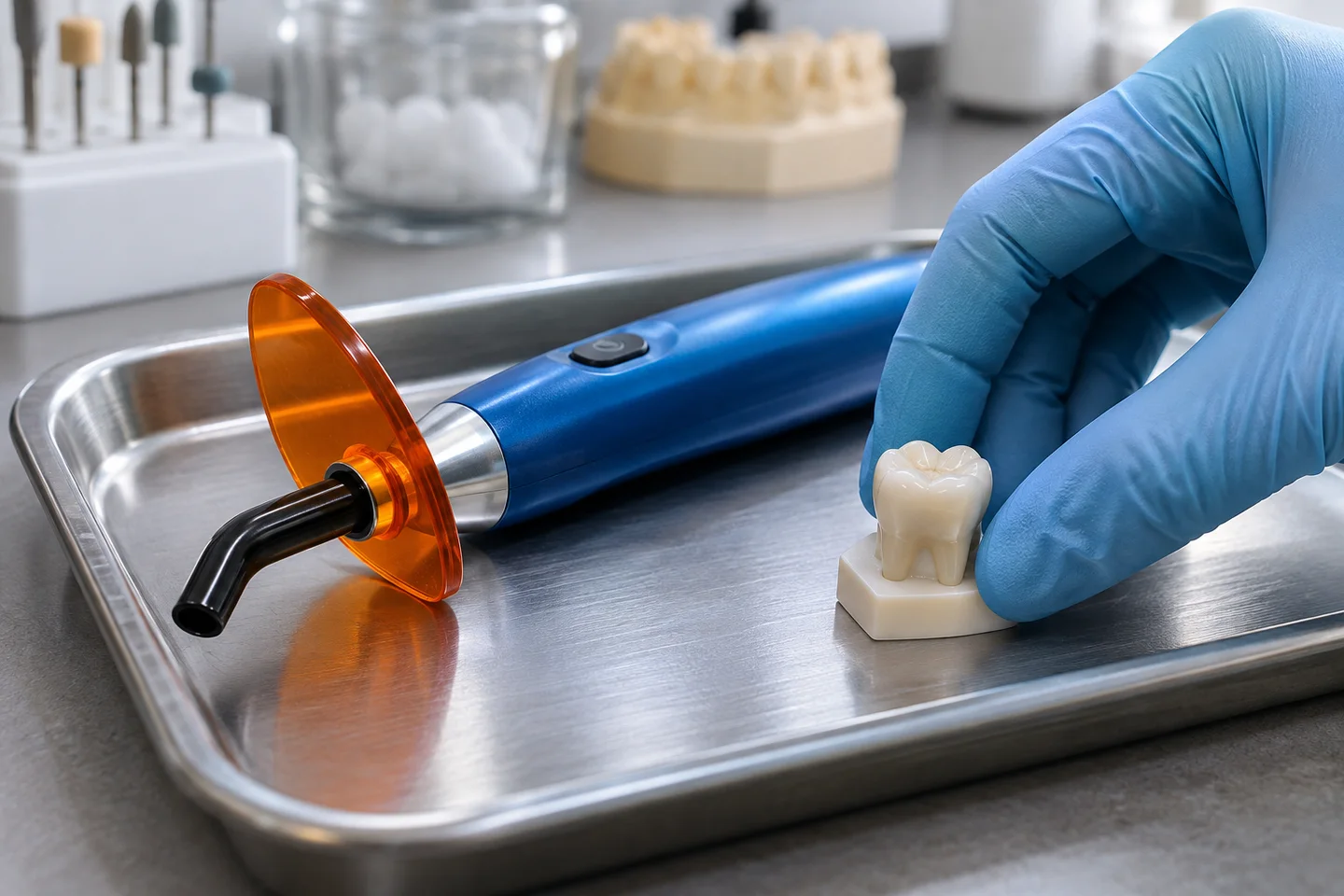
White filling from
£135
NHS: Band 2, £76.60
Choose your practice
NHS: Band 2, £76.60
Practices offering dental fillings
Choose your practice to see its prices and book.
- White filling
- £135 to £195
- Silver filling
- £95 to £100
- NHS Band 2
- £76.60
- White filling
- £135 to £195
- Silver filling
- £95 to £100
- NHS Band 2
- £76.60
Quick answers
Can a lost filling be put back?
Usually the tooth needs a new filling rather than the old one refitted. The dentist checks for decay or a crack first, and a larger repair such as a crown is sometimes needed.
How much does a private filling cost at Minti?
A white composite filling costs £135 to £195 and a silver amalgam filling £95 to £100, depending on its size. A private examination costs £38 at our Harlow practices and £35 at Enfield Smiles.
Bleeding gums are worth a check
Bleeding when you brush or floss is one of the first signs of gum disease. A hygiene visit checks your gums and removes the tartar that brushing can’t shift.
Book a hygiene visit
Dental fillings at Minti
Everything you need to know about dental fillings
When a tooth needs a filling
Plaque bacteria turn sugar into acid, and repeated acid attacks soften the enamel until a cavity forms. Very early decay can sometimes be stopped with fluoride, better cleaning and less frequent sugar, but once there is a hole the tooth usually needs repairing.
- DecayA cavity may cause sensitivity, food trapping or discomfort when you eat, or no symptoms at all until a check-up or X-ray finds it. The dentist removes the decay and rebuilds the tooth.
- A chipped toothSmall chips can often be rebuilt with tooth-coloured composite. Larger fractures may need a crown, and our broken tooth guide explains what to do in the meantime.
- A lost or broken fillingThe dentist checks for decay underneath and how much sound tooth is left before replacing it. Our lost filling guide covers the first steps.
- WearComposite can rebuild areas worn by grinding or acid erosion, but the cause needs managing too or the repair will wear in the same way.
A filling is not always enough. If decay has reached the nerve, the tooth may need root canal treatment first, and a tooth with very little left may need a crown. Your dentist explains why they recommend one repair over another.
Choosing a material
White composite suits front teeth and many back teeth, and it often needs less drilling. It has to stay dry while we place it, which can be hard in a deep cavity. We’ll explain which material fits your tooth and what the NHS covers for it.
What a filling appointment involves
- ExaminationYour dentist checks the tooth, takes an X-ray if needed and explains the material options and fee.
- NumbingLocal anaesthetic numbs the tooth. Very small fillings sometimes need no injection.
- FillingThe decay is removed and the tooth rebuilt. Composite is set hard with a blue curing light.
- Bite checkThe filling is shaped and polished, and your bite is checked so it does not feel high.
Composite and amalgam compared
Composite is a tooth-coloured resin that is bonded to the tooth and hardened with a blue light. It suits front teeth and many back teeth, blends in with your smile and can often be done with less drilling. It needs the tooth kept completely dry while it is placed, which can be hard for some deep cavities.
Amalgam is the silver filling material that has been used for well over a century. It is hard-wearing and less sensitive to moisture during placement, which can suit some large back fillings, but it is clearly visible.
Amalgam is not used for baby teeth, children under 15, or anyone pregnant or breastfeeding, unless the dentist decides it is strictly necessary for a specific medical reason. For everyone else it remains a safe, permitted material.
Neither material is best for every tooth. Your dentist considers the size and position of the cavity, how hard the tooth works when you chew, whether the area can be kept dry and your own preferences.
You do not need to replace a sound silver filling just because of its colour. Removing it takes away more tooth, so it is usually left alone unless it is failing or you want to change its appearance after talking it through with your dentist.
White fillings on the NHS
White fillings are available on the NHS when the dentist judges them to be the clinically right material for the tooth. They are used on front teeth and are not ruled out for back teeth. If the dentist recommends amalgam for a back tooth on clinical grounds and you would prefer composite for its appearance, they can explain whether that would be a private option and what it costs.
Your dentist should tell you which parts of your treatment are NHS and which are private, and what you will pay, before you agree to anything.
Aftercare
- EatingComposite is set hard before you leave. Wait until any numbness wears off before eating so you do not bite your cheek or tongue. With amalgam, your dentist may ask you to avoid chewing hard food on that side for a while.
- SensitivitySome sensitivity to cold, heat or biting is common for a few days or weeks, especially after a deep filling. Our guide to sensitive teeth explains the usual causes.
- A high fillingIf the tooth touches before the others or hurts when you bite, call the practice. A small adjustment often fixes it, although pain when biting can have other causes that need checking.
- Pain that gets worseContact the practice if pain is severe, keeps you awake, gets worse instead of better, or comes with swelling or a bad taste. Swelling that affects your breathing or swallowing needs 999 or A&E.
A filling repairs the damage but does not protect the tooth from new decay. Brushing twice a day with fluoride toothpaste, cutting down on sugary snacks and keeping up your dental check-ups help it last.
Before you book
- Tell us which tooth has changedMention if a filling came out, food catches there or the tooth hurts after a cold drink or on biting. If you have used a temporary cover, tell the dentist what you used.
- Ask what the repair will achieveThe dentist can explain which material and repair are appropriate and what to do if sensitivity or a change in your bite continues.
NHS and private filling fees
Published fees at each practice. The private fee depends on the size of the filling and how many surfaces of the tooth it covers, and it is confirmed after your examination.
| Treatment | NHS | Private at Minti |
|---|---|---|
| White filling, composite | Band 2, £76.60 | £135 to £195 |
| Silver filling, amalgam | Band 2, £76.60 | £95 to £100 |
| Examination | Band 1, £27.90 | £35 to £38 |
On the NHS, Band 2 covers the whole course of treatment, including the examination and every filling you need in that course, so you do not pay Band 1 and Band 2 together. Some people get free NHS treatment or help with costs. For private treatment, ask whether the examination is charged separately.
All fees and finance optionsA written quote before you decide
Your practice explains your options and confirms the cost before treatment starts.
Request an appointment
What patients say
- ★★★★★
My dentist was very thorough and communicated with me well about my teeth. Highly recommend.
Tamara B. · Nuffield
- ★★★★★
There’s no other dentist like this one.
Aidan R. · Church Langley
- ★★★★★
Fantastic, thanks for looking after me, even though I got to my appointment late.
Thomas W. · Enfield Smiles
Frequently asked questions
Will having a filling hurt?
The tooth is usually numbed with local anaesthetic, so you should feel pressure and vibration rather than pain. Tell your dentist if you feel anything sharp and they can give more anaesthetic. Very small fillings sometimes need no injection at all.
How long does a filling take?
It depends on the size and position of the cavity, the material and how many teeth are being treated. A small filling is usually quick, and the practice can tell you how long to allow once the tooth has been checked.
How long does a filling last?
Many fillings last for years, but none lasts forever. It depends on the size of the filling, the material, how hard you bite, your cleaning and your risk of new decay. Your dentist checks your fillings at your check-ups.
What if I am nervous about having a filling?
Tell the practice when you book. The dentist can explain each step, agree a signal for you to stop them and take breaks. Our page on help for nervous patients explains the support available.
Request an appointment
Send a request and your practice will call to confirm a time.
Booking at Nuffield · 01279 424 038