- Routine hygiene
- £76
- Air polish
- £96
- NHS, when needed
- £27.90
Dental hygienist
A hygiene visit is the simplest way to keep your gums healthy and catch gum disease early. Here’s what happens, what it costs, and how to book with Minti.
Healthy gums, what it costs, and how to book.
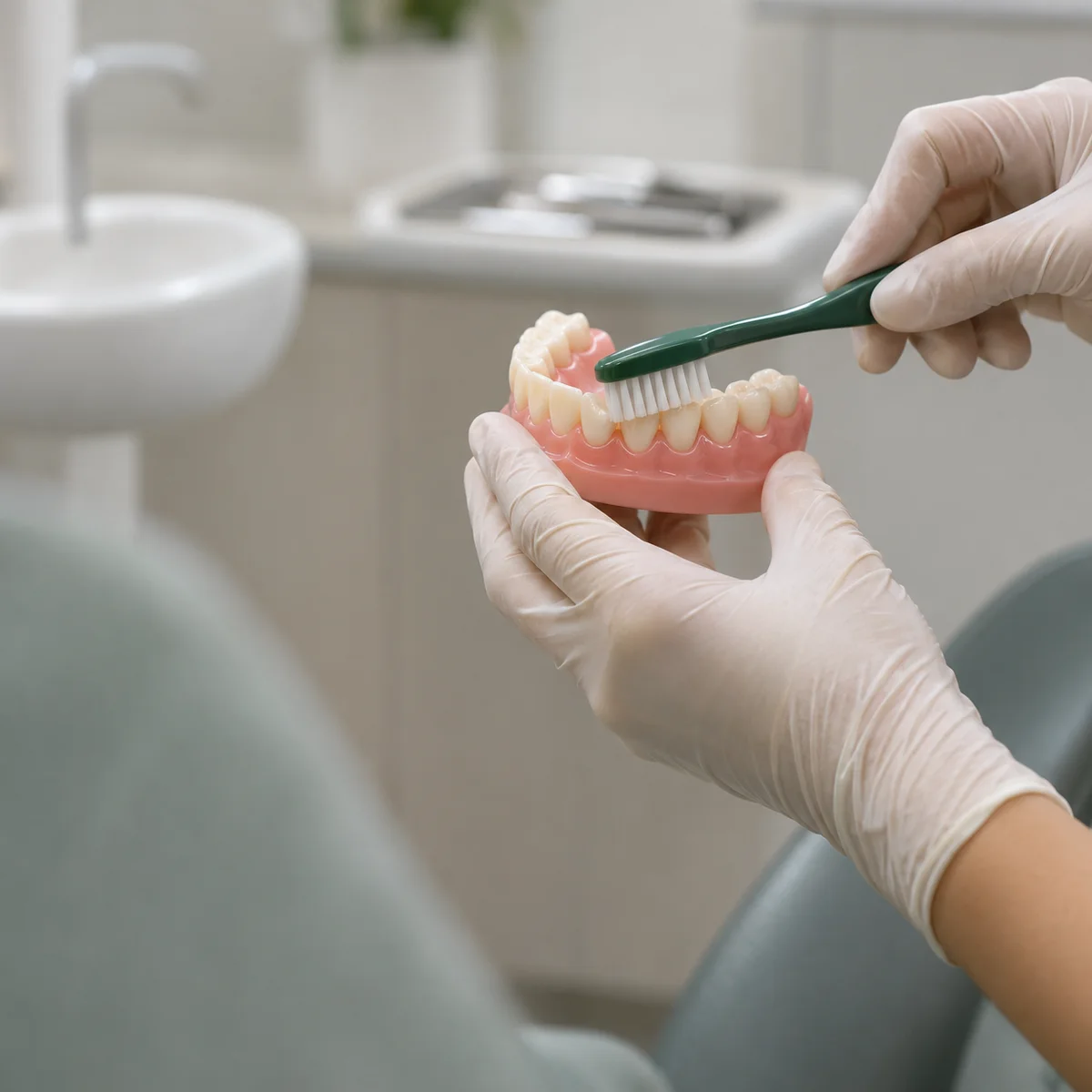
Routine hygiene from
£60
NHS from £27.90 when needed
Choose your practice
NHS from £27.90 when clinically needed
Noticed this?
Book a hygienist at Minti
Choose your practice to see its prices and book.
- Routine hygiene
- £76
- Air polish
- £96
- NHS, when needed
- £27.90
- Routine hygiene
- £60
- Air polish
- £95
- NHS, when needed
- £27.90
Quick answers
How much does a hygienist cost?
Private routine hygiene at Minti is £60 to £76 depending on the practice. On the NHS it’s part of a Band 1 course, £27.90, when clinically needed.
How long does it take?
A routine hygiene appointment usually takes 30 to 45 minutes.
Is gum treatment on the NHS?
Yes, when clinically needed, under Band 1 or Band 2 (£76.60). Private gum treatment is quoted after assessment.
Can I book directly?
Arrangements differ between practices. Your chosen practice can tell you how its bookings work.
Bleeding gums are worth a check
Bleeding when you brush or floss is one of the first signs of gum disease. A hygiene visit checks your gums and removes the tartar that brushing can’t shift.
Book a hygiene visit
Hygiene at Minti
Everything you need to know about seeing a dental hygienist
What does a dental hygienist do?
A dental hygienist is a registered dental professional who specialises in keeping your gums healthy and stopping problems before they start. Your dentist examines your whole mouth and repairs damage. Your hygienist focuses on the cause of most of that damage: plaque and tartar.
At a typical appointment your hygienist checks your gums, removes hardened tartar that brushing can’t shift, polishes away stains and shows you how to keep things clean at home. They can also treat gum disease, apply fluoride varnish and fissure sealants, and give advice on smoking, diet and anything else affecting your gums.
- Your dentistExamines your teeth, takes X-rays, diagnoses problems, and does fillings, crowns and extractions.
- Your hygienistChecks gum health, cleans professionally, treats gum disease and helps you prevent problems.
- TogetherIf your hygienist spots something outside their scope, they refer you straight back to your dentist.
Every hygienist in the UK must be registered with the General Dental Council (GDC). You can check anyone’s registration on the GDC website, and we list our hygienists’ GDC numbers further down this page.
What we look for
The first thing we check isn’t how white your teeth are. It’s whether your gums bleed. Bleeding is the earliest sign something’s wrong, and it’s the one most people ignore because it doesn’t hurt. If your gums bleed when you brush, don’t brush less. Book a check.
How often should you see a hygienist?
There’s no single right answer, and “every six months for everyone” is a habit rather than a rule. UK guidance from NICE says the gap between check-ups should be set for each person based on their risk: anywhere from 3 to 24 months for adults, and 3 to 12 months for under-18s.
Hygiene visits follow the same logic. As a rough guide:
- Healthy gumsOnce or twice a year is often enough.
- Higher riskEvery 3 to 4 months if you’ve had gum disease, smoke or have diabetes.
- Braces or implantsAs advised, often more often, because there are more places for plaque to hide.
We’ll suggest an interval after your first visit and adjust it as your gums improve.
Your visit in four steps
- Gum checkWe look for bleeding, pockets and any changes since your last visit.
- Professional cleanPlaque and tartar removed above, and if needed below, the gum line.
- Home care tipsSimple advice on brushing and cleaning between your teeth.
- Your next visitWe agree how often you need to come back.
What happens during a scale and polish?
Scaling uses an ultrasonic scaler, a small vibrating tip with a fine water spray, to break up tartar (also called calculus). Your hygienist then uses hand instruments to clean the fiddly areas between your teeth and just under the gum line.
Polishing smooths the tooth surface and removes surface stains, which makes it harder for new plaque to stick. A routine appointment usually takes 30 to 45 minutes.
Most people find it comfortable. You’ll feel some vibration and scraping, and sensitive areas can be numbed with gel or a local anaesthetic. If your gums are inflamed, a little bleeding during the clean is normal and settles quickly.
Air polishing: what it is and who it suits
Air polishing uses a jet of air, water and very fine powder to lift stains and soft plaque. It’s quick, gentle on sensitive gums and good at reaching awkward spots around braces, implants and crowded teeth.
It’s popular with tea, coffee and red wine drinkers, and with smokers, because it shifts surface staining well. Two things it isn’t: it isn’t teeth whitening, so it won’t change the natural colour of your teeth, and it doesn’t replace a gum check or the scaling needed to remove hard tartar.
Routine hygiene, air polish or gum treatment
These appointments are often mentioned together, but they do different jobs. Your dental team recommends one based on what they find, not on a fixed schedule.
- Routine hygiene (scale and polish)The hygienist removes plaque and hardened tartar (calculus) from the tooth surfaces and around the gum line, then polishes where it helps. It supports your cleaning at home, but not everyone needs it at every visit.
- Advanced hygiene or air polishA fine jet of air, water and powder lifts surface stains, such as those from tea, coffee or smoking, along with soft deposits. It does not replace a gum assessment, and hard tartar may still need other instruments. Your practice explains exactly what the appointment includes when you book.
- Gum disease treatmentIf you have periodontitis, the affected areas need cleaning below the gum line, called root surface debridement or deep cleaning. Local anaesthetic can be used, and the number of visits depends on how many areas are affected and how your gums respond. It is quoted after an assessment.
- From £60Routine hygieneA scale and polish that removes plaque and tartar to keep healthy gums healthy.Best for: regular maintenance
- From £95Air polishA fine powder and water spray that lifts surface stains. It doesn’t replace a gum assessment.Best for: tea, coffee and smoking stains
- Quoted after assessmentGum treatmentDeep cleaning below the gum line over one or more visits, then a maintenance plan.Best for: diagnosed gum disease
Gingivitis and periodontitis
Gum disease starts when plaque builds up along the gum line and inflames the gums.
Gingivitis is inflammation of the gums alone. They may look red or swollen and bleed when you brush or clean between your teeth. With good daily cleaning, and professional cleaning where tartar has built up, gingivitis can usually be reversed. Our guide to bleeding gums explains the common causes.
Periodontitis is when the inflammation damages the gum attachment and bone that hold the teeth in place. Signs include receding gums, persistent bad breath, deeper pockets around the teeth and teeth that move or feel loose. It can progress without pain, which is why gum checks matter even when nothing hurts.
Treatment can stop periodontitis getting worse and keep it stable, but bone and gum that have already been lost do not usually grow back. Because it can return, people who have had periodontitis need ongoing care.
Gingivitis
Red, puffy gums that bleed. Usually reversible with a professional clean and better home care.
Periodontitis
Gum and bone around the teeth are damaged. Needs deep cleaning below the gum line, then maintenance.
How your gums are assessed
Gum health cannot be judged reliably by how the gums look, so your dentist or hygienist checks them in stages.
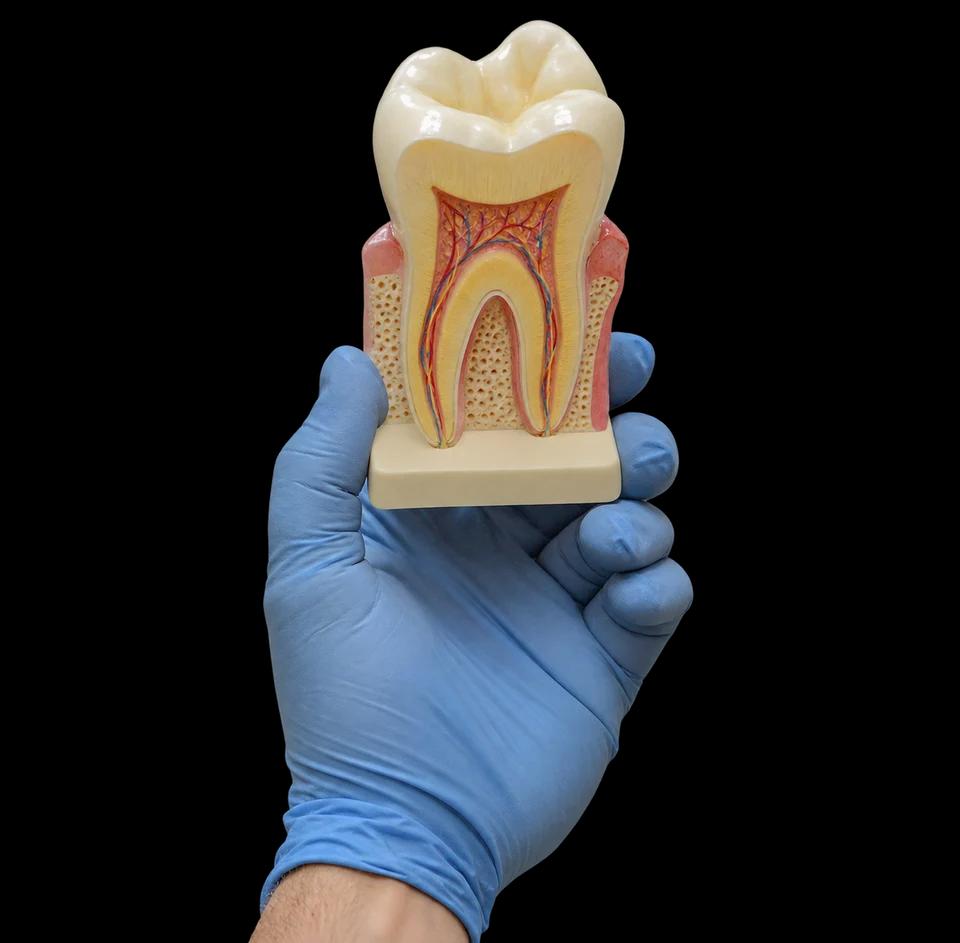
- ScreeningA Basic Periodontal Examination (BPE) uses a fine probe to measure gently around each tooth and note bleeding, tartar and pocket depth. The scores show which areas need a closer look. They are not a diagnosis on their own.
- Detailed chartingIf periodontitis is suspected or confirmed, your dentist may record measurements at several points around each affected tooth, including bleeding, recession and movement.
- X-rays where neededX-rays show the bone level around the teeth and are taken when there is a clinical reason.
- Your resultsYour dentist explains whether your gums are healthy, have reversible inflammation or show signs of periodontitis, and how severe and active it is. A single pocket measurement does not tell the whole story.
Many people have their gums screened at a routine dental check-up.
What your BPE score means
To check, your dentist or hygienist gently measures around each tooth with a small probe and gives each section of your mouth a Basic Periodontal Examination (BPE) score:
- 0Healthy gums.
- 1Bleeding, but no pockets or tartar.
- 2Tartar, or a filling edge trapping plaque.
- 3A shallow pocket between gum and tooth (3.5 to 5.5mm).
- 4A deeper pocket (over 5.5mm).
- *Bone loss between the roots of a back tooth.
Scores of 3 or 4 usually mean more detailed charting, X-rays and deep cleaning below the gum line over one or more visits, followed by regular maintenance.
How gum disease is treated
Treatment depends on your diagnosis, your risk factors and how your gums respond. It usually follows these steps.
- 1. Better daily cleaningYour team shows you how to brush along the gum line and which interdental brushes or floss suit your teeth. Smoking and diabetes are discussed too, because both affect gum health.
- 2. Professional cleaning above the gum linePlaque and tartar that a toothbrush cannot shift are removed.
- 3. Cleaning below the gum lineWhere periodontitis is present, the affected root surfaces are cleaned, with local anaesthetic if needed.
- 4. Reassessment and maintenanceYour gums are checked again after treatment. People with a history of periodontitis then have supportive care at intervals set for them, often somewhere between three and twelve months.
- 5. Specialist referralAdvanced disease, or gum disease that does not settle, may need referral to a specialist. Your dentist explains why and what it involves.
Antibiotics are not part of routine gum treatment. Current guidance focuses on good cleaning, professional treatment and reassessment, and keeps antibiotics for a small number of complex cases.
Who needs extra hygiene care?
- SmokersSmoking reduces blood flow to the gums, which can hide bleeding, the main early warning sign. Gum disease can progress unnoticed.
- DiabetesDiabetes and gum disease affect each other. Tell us if you have diabetes so we can plan your care.
- PregnancyHormone changes can make gums bleed more easily. NHS dental treatment is free while you’re pregnant and for 12 months after your baby is born.
- Implants and bracesMore places for plaque to hide. Implants need healthy gums around them to last.
- ChildrenHygienists can apply fluoride varnish and fissure sealants. NHS dental treatment is free for under-18s.
Can I book a hygienist without seeing a dentist?
Since May 2013, UK rules have allowed patients to see a dental hygienist directly, without seeing a dentist first. This is called direct access, and each practice decides whether to offer it.
Hygienists can see patients directly for some care, but arrangements differ between practices. If you have symptoms of gum disease or another dental problem, you may need a full examination first. Your chosen practice can tell you how its bookings work. Even if you book the hygienist directly, keep up regular check-ups with a dentist, because a hygiene appointment doesn’t include a full examination of your teeth.
Looking after your gums at home
Professional treatment only works alongside good cleaning at home.
- Brush twice a dayUse a fluoride toothpaste. Most adults should use one with 1,350 to 1,500 ppm fluoride. A manual or electric brush both work with the right technique.
- Clean between your teeth every dayInterdental brushes suit wider gaps and floss suits tight ones. Your hygienist can show you which sizes fit.
- Spit, do not rinseAfter brushing, spit out the toothpaste instead of rinsing with water, so the fluoride keeps working. Do not use mouthwash straight after brushing.
- Use antiseptic mouthwash only on adviceIt does not replace brushing or cleaning between the teeth.
- Cut down on sugarHave sugary food and drinks less often.
- Get help to stop smokingSmoking raises the risk of gum disease and slows healing after treatment.
- Tell your dentist about your healthDiabetes in particular affects gum health, and gum inflammation can make diabetes harder to control.
After a clean, your gums may feel tender and your teeth a little sensitive for a day or two. A toothpaste for sensitive teeth helps. If your gums still bleed after a couple of weeks of good cleaning, let us know.
How much does a hygienist cost?
On the NHS, a scale and polish is included in a Band 1 course of treatment (£27.90) when it’s clinically needed, for example to treat gum problems. Cleaning for purely cosmetic reasons isn’t covered. More complex gum treatment falls under Band 2 (£76.60).
Privately, routine hygiene at Minti costs £60 to £76 depending on the practice, and air polish £95 to £96. Gum treatment is quoted after an assessment, and you’ll always get a written quote before anything starts.
NHS and private hygiene costs
| Treatment | NHS | Private at Minti |
|---|---|---|
| Routine hygiene | £27.90 (Band 1) | £60 to £76 |
| Air polish | Not available | £95 to £96 |
| Gum treatment | £27.90 or £76.60 (Band 2) | Quoted after assessment |
NHS charges apply when clinically needed and cover a full course of treatment. Private prices vary by practice: see your practice above.
A written quote before you decide
Your practice explains your options and confirms the cost before treatment starts.
Request an appointment
What patients say
- ★★★★★
I was with hygienist Neli at this clinic. She did a deep cleaning and treated periodontal disease. I am extremely satisfied, always smiling, very attentive and caring. I highly recommend.
Spas V. · Enfield Smiles
- ★★★★★
Excellent service from Nohrina, the hygienist, as always. She ensured that everything she was doing was explained first and that I was comfortable throughout, with good advice on continued good dental practise routine, to round things off.
Ian A. · Nuffield
- ★★★★★
Had an appointment with Ria, the hygienist, today. She was friendly, helpful and efficient, as were the reception staff. All went well and I would recommend their service.
Graham B. · Church Langley
Your hygienists
- Dominika BadziagowskaHygienist and therapist · Nuffield and Church LangleyGDC 177221
- Nohrina SwariaHygienist and therapist · Nuffield and Church LangleyGDC 205705
- Ria WrightHygienist · Church LangleyGDC 303696
- Nedyalka DonkovaHygienist and therapist · Enfield SmilesGDC 187795
Frequently asked questions
How often should I see a hygienist?
There is no single interval that suits everyone. It depends on your gum health, how well you can clean at home and your risk of gum disease. People who have had periodontitis need supportive care at intervals their dental team sets, often between three and twelve months.
Does a hygiene appointment hurt?
Most people find a routine clean comfortable, although inflamed gums and exposed roots can feel sensitive. Local anaesthetic can be used for deeper treatment. Tell your hygienist if anything is uncomfortable or if you feel anxious.
Why do my gums bleed when I brush?
Bleeding is usually a sign of gum inflammation caused by plaque. Do not stop brushing or brush harder. Keep cleaning gently and arrange an assessment if the bleeding carries on. Our guide to bleeding gums explains more.
Does air polishing whiten teeth?
It removes surface stains, which can make teeth look cleaner and brighter, but it does not change the natural colour of the tooth. If you want a lighter shade, ask about teeth whitening.
Can I book a hygienist without seeing a dentist first?
Hygienists can see patients directly for some care, but arrangements differ between practices. If you have symptoms of gum disease or another dental problem, you may need a full examination first. Your chosen practice can tell you how its bookings work.
Is a scale and polish free on the NHS?
It’s included in a Band 1 course (£27.90) when clinically needed. It’s free if you qualify for free NHS dental care, for example if you’re under 18 or pregnant.
Can a hygienist help with bad breath?
Often, yes. Plaque and gum disease are common causes, and a clean plus better home care usually helps. We’ll check for other causes too.
How long will my gums feel sore afterwards?
Usually a day or two at most. If tenderness or bleeding carries on, let us know.
Do I need a hygienist if my teeth feel fine?
Gum disease is usually painless in its early stages, so feeling fine doesn’t always mean your gums are healthy. A check is the only way to know.
Book your hygiene visit
Send a request and your practice will call to confirm a time.
Booking at Nuffield · 01279 424 038