- Single implant
- From £2,500
Dental implants
A fixed way to replace missing teeth, planned around your gums, bone and health.
A fixed way to replace missing teeth, planned around your gums, bone and health.
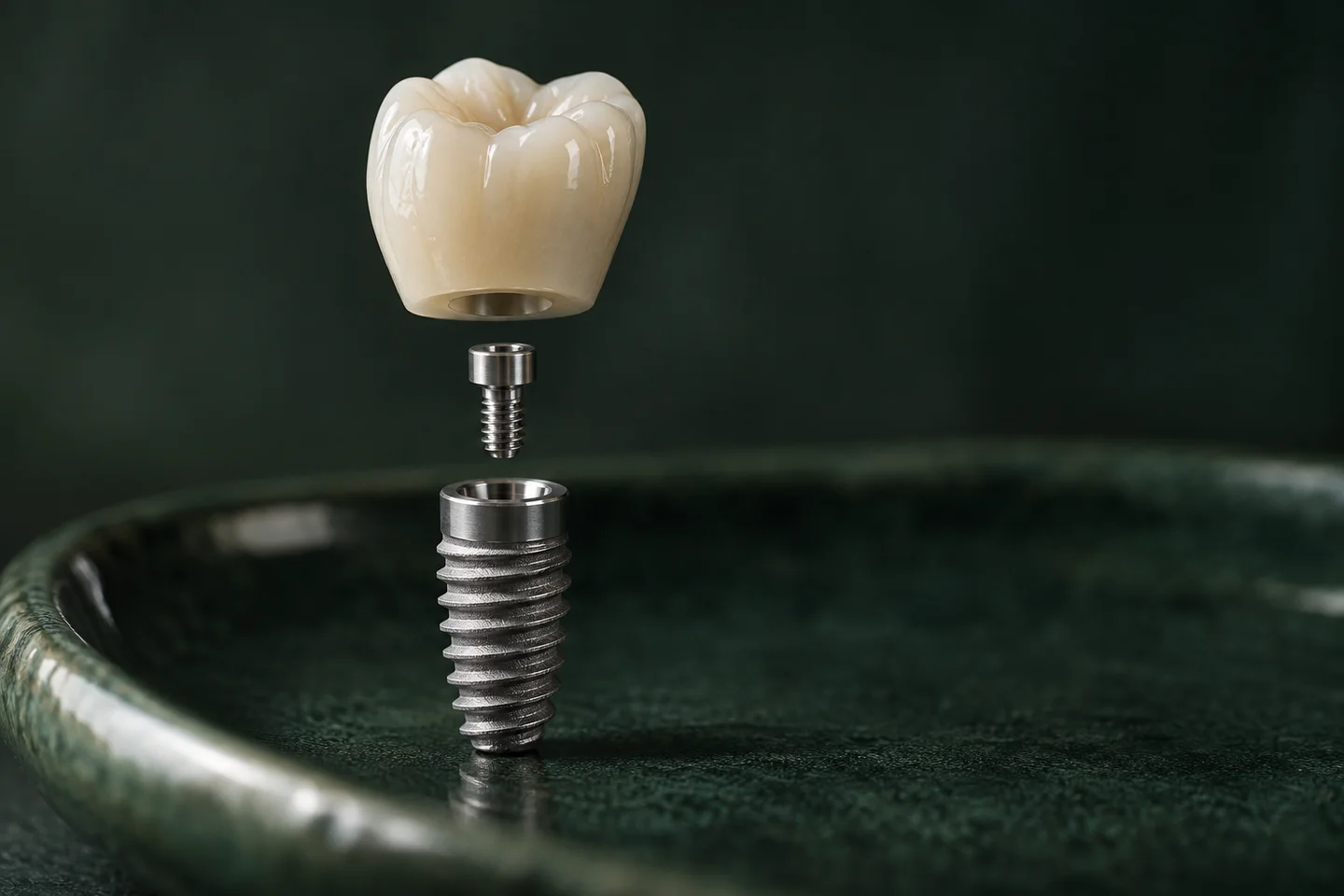
Single implant from
£2,500
Private only
Choose your practice
Private only
Noticed this?
Practices offering dental implants
Choose your practice to see its prices and book. Implant surgery takes place at Nuffield Dental Practice.
- Single implant
- From £2,500
Quick answers
How long does the whole process take?
Usually four to seven months for a straightforward single implant, from consultation to final crown. Bone grafting or extra healing time can add several months. Your written plan sets out the timeline for your case.
How long do dental implants last?
Implants can last many years when the gums and bone stay healthy, but no lifespan is guaranteed. Smoking, gum disease and poor cleaning shorten it. The crown on top may need repairing or replacing even if the implant itself stays sound.
Can an implant go in on the same day as the extraction?
Sometimes. Placing an implant straight into the socket depends on the bone, any infection and the position of the tooth. Even then, the final crown is usually fitted later. Your dentist tells you which approach suits your case.
Can I get dental implants on the NHS?
Rarely. The NHS funds implants only in limited cases, such as some patients after mouth cancer treatment or a serious injury, usually through a hospital. Replacing a missing tooth with an implant is otherwise private.
Bleeding gums are worth a check
Bleeding when you brush or floss is one of the first signs of gum disease. A hygiene visit checks your gums and removes the tartar that brushing can’t shift.
Book a hygiene visit
Dental implants at Minti
Everything you need to know about dental implants
What a dental implant is
A dental implant is a small post, usually titanium, placed in the jawbone to take the place of a missing tooth root. Over the following months the bone bonds to its surface, a process called osseointegration. Once the implant is stable, a connector called an abutment is fitted and a custom-made crown is attached on top.
Implants can also support a bridge or hold a denture in place when several teeth are missing. The number of implants is not always the same as the number of missing teeth, and your dentist explains which design suits your mouth.
What we tell patients
An implant needs healthy gums and enough bone. If your gums are inflamed, we treat that first, because inflammation around an implant can destroy the bone that holds it. If the bone has shrunk since you lost the tooth, grafting can build it up, though it can add several months, so ask about your timeline at the consultation.
Your dental implant journey at Minti
- ConsultationExamination, X-rays and a 3D scan where needed, then a written plan.
- Implant placementThe implant is placed under local anaesthetic at Nuffield.
- HealingThe bone bonds to the implant over a few months, with reviews.
- Crown fittingOnce the implant is stable, your final crown is made and fitted.
Plan your treatment before you decide
Your consultation covers the available options and a written plan with the proposed steps, timeline and costs.
What affects suitability
Suitability depends on more than the size of the gap. Your dentist looks at:
- Your gumsActive gum disease needs treating first, because inflammation around an implant can destroy the bone that holds it. Our hygienist team can help get your gums stable.
- Your boneBone can shrink after a tooth is lost. X-rays, and sometimes a 3D CBCT scan, show whether there is enough to hold an implant or whether grafting is needed.
- SmokingSmoking raises the risk of an implant failing. Stopping before treatment and staying stopped improves the odds.
- DiabetesDiabetes does not rule implants out, but poorly controlled diabetes slows healing and raises the risk of complications.
- Bone medicinesSome medicines for osteoporosis or cancer, such as bisphosphonates and denosumab, need a careful risk assessment before surgery. Tell your dentist about current and past use, and do not stop a prescribed medicine without advice from your doctor.
- CleaningAn implant needs daily cleaning and regular checks for life, so your dentist plans a design you can keep clean.
If there is not enough bone
After tooth loss, gum disease or an injury, the jawbone can be too thin or too low to hold an implant. Bone grafting adds graft material to build the area up. Sometimes it is done at the same appointment as the implant, and sometimes the graft heals first, which adds several months. In the upper back jaw, a sinus lift can make room for an implant where the sinus sits low.
Grafting is not always possible or worthwhile. Where it is not, a bridge or denture may be the better choice. CBCT scans and grafting are quoted separately from the implant fee.
Implants, bridges and dentures compared
An implant is one way to replace a missing tooth, not the only one, and your dentist talks through the alternatives at the consultation.
- A dental bridge fixes a false tooth to the teeth either side. There is no surgery and it is quicker, but a conventional bridge means shaping the neighbouring teeth.
- A denture is removable and costs less, which makes it a practical choice when several teeth are missing or surgery is not suitable.
- Leaving the gap can be reasonable for a back tooth that does not affect your bite or chewing.
An implant replaces the root as well as the tooth and does not rely on the neighbouring teeth, but it means surgery, months of healing and a higher fee. If a tooth is due to come out, ask about implants before the extraction, because the way it is removed can affect implant treatment later.
Risks, recovery and long-term care
Implant surgery carries the risks of any minor operation, including swelling, bruising, bleeding and infection. Less often, an implant does not bond to the bone, or nearby nerves or the sinus are affected. Your dentist explains the risks that apply to you before treatment.
After placement, soreness and swelling usually settle over a few days. Follow the written aftercare you are given, and contact the practice if pain or swelling gets worse instead of better, bleeding will not stop, you develop a fever, or numbness lasts after the anaesthetic should have worn off. Our guide to pain after a tooth extraction explains the warning signs after oral surgery. Swelling that affects breathing or swallowing needs A&E.
Implants are built to last many years, but no lifespan is guaranteed. The main long-term risk is peri-implantitis, inflammation around the implant that destroys the supporting bone. Daily cleaning around the implant, regular check-ups and hygiene visits help prevent it. Tell your dentist about bleeding, swelling or looseness around an implant, and do not try to tighten a loose crown yourself.
Before you book
- Tell us which teeth are missingLet the practice know when the tooth came out, whether you wear a denture or bridge and whether you have recent X-rays. Mention any medical conditions and medicines, especially for osteoporosis, cancer or blood thinning, and whether you smoke.
- Ask about the complete treatment planAsk which scans or grafting you might need, how long healing takes, which alternatives suit you and what the quote includes. A consultation is not a commitment to surgery.
Dental implant fees
Published fees at our Harlow practices. Your written plan confirms the fee and what it includes before treatment starts.
| Treatment | NHS | Private at Minti |
|---|---|---|
| Single implant, consultation to final crown | Private only | From £2,500 |
| CBCT 3D scan, where needed | Private only | Quoted separately |
| Bone grafting, where needed | Private only | Quoted separately |
| Several implants or a full arch | Private only | Quoted after consultation |
The single implant fee covers the consultation, placement, healing reviews, abutment and final crown. Routine implant treatment is private. The NHS funds implants only in limited cases, such as some patients after mouth cancer treatment or a serious injury, usually through a hospital. Finance over up to 60 months through a regulated third-party provider is available, and the terms are explained before you apply. Enfield Smiles does not place implants and refers patients to Nuffield Dental Practice.
All fees and finance optionsA written quote before you decide
Your practice explains your options and confirms the cost before treatment starts.
Request an appointment
What patients say
- ★★★★★
My dentist was very thorough and communicated with me well about my teeth. Highly recommend.
Tamara B. · Nuffield
- ★★★★★
There’s no other dentist like this one.
Aidan R. · Church Langley
Dentists offering dental implants
- Dr Rafay SyedCosmetic, Implant & Composite Bonding Dentist · Church LangleyGDC 299280
Frequently asked questions
Does implant placement hurt?
The implant is placed under local anaesthetic, so you feel pressure and vibration but should not feel pain. Tell the dentist if you do. Soreness and swelling are common for a few days afterwards, and paracetamol or ibuprofen may help if they suit you.
How much does a dental implant cost?
A single implant costs from £2,500 at our Harlow practices, covering the consultation, placement, healing reviews, abutment and final crown. CBCT scans and bone grafting are quoted separately where needed, and several implants or a full arch are quoted after consultation.
Where are implants placed at Minti?
The implant surgery takes place at Nuffield Dental Practice in Harlow. The crown stage can be at Nuffield or Church Langley Dental. Enfield Smiles does not place implants and refers patients to Nuffield.
Request an appointment
Send a request and your practice will call to confirm a time.
Booking at Nuffield · 01279 424 038