
You've started drinking cold water out of the side of your mouth. You let ice cream melt a bit first. You breathe in through your nose on frosty mornings like it's a yoga class. Sensitive teeth have a way of quietly rearranging your life, and if you've ended up here, you're in very good company. Sensitivity is one of the most common things I hear about in my surgery.
The short answer: sensitive teeth usually happen when dentine, the layer under the enamel, is exposed by gum recession, acid wear, brushing too hard, grinding or a small crack. That gives a short, sharp pain with cold, hot, sweet or acidic things that goes within moments. A toothpaste for sensitive teeth helps many people, and I can seal or repair sensitive areas once I know the cause. If your gums are bleeding or swollen too, see my gum disease guide. Because decay, a cracked tooth or a leaky filling can feel exactly the same, book a dental check-up if it lasts more than a few weeks or it's one tooth, and my hygiene team can help if your gums are part of it. If the pain lingers after the cold has gone, throbs, wakes you at night, or comes with swelling, that's something more: call my emergency dentist team in Harlow or Enfield, or NHS 111 if we're closed.
Sensitivity that lingers, throbs or keeps you awake? That's not ordinary sensitivity. Call your nearest Minti practice and tell reception. I keep same-day appointments for pain and swelling wherever I can.
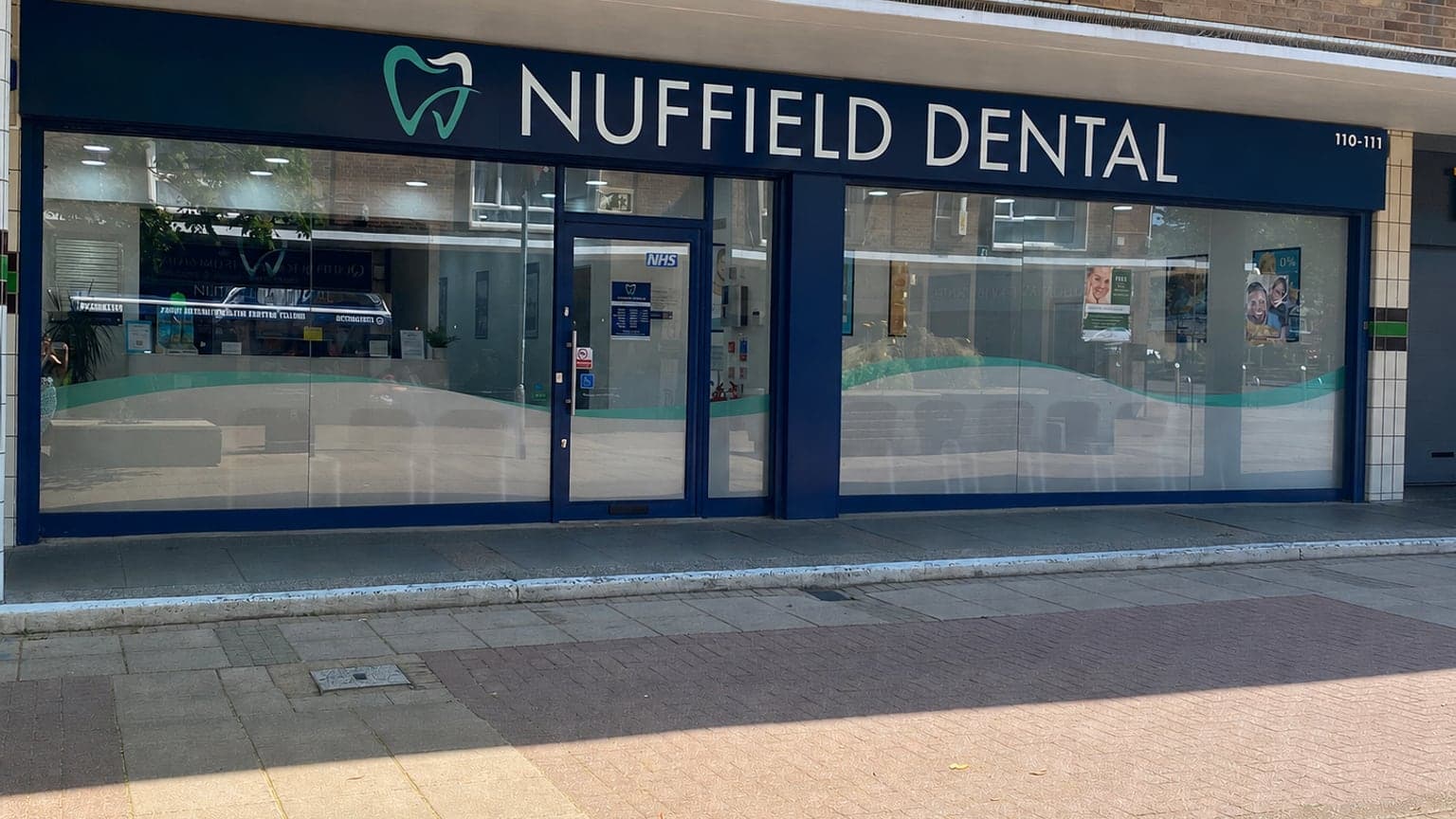
- Nuffield Dental Practice, Harlow: 01279 424 038
- Church Langley Dental, Harlow: 01279 306 690
- Enfield Smiles, Enfield: 020 8804 4320
Evening, weekend, or nowhere near us? Call NHS 111. If you're struggling to breathe or swallow, or swelling is spreading to your eye or neck, that's 999 or A&E.
What causes sensitive teeth?
Here's the picture I use. Under your enamel is dentine, and dentine is full of microscopic channels leading to the nerve. Think of a bundle of very tiny drinking straws, all pointing at the nerve. Enamel covers the straws on the crown of the tooth, and gum covers them on the root. When either wears away, cold, sweet and acid get a direct line in, and the nerve reports it immediately.
The Oral Health Foundation and the British Society of Periodontology list the usual reasons that happens:
- gum recession, which exposes the root
- acid wear from fizzy drinks, including sugar-free Diet Coke, juice, wine, reflux or vomiting
- brushing too hard or with a hard brush (the keenest brushers are nearly always the ones this happens to)
- grinding or clenching
- a cracked tooth
- gum disease and gum treatment
- tooth whitening, which can cause temporary sensitivity
Why are my teeth suddenly sensitive?
It can feel as if it arrived overnight. When several teeth go at once, I think first of something affecting the whole mouth, like acid wear, brushing too hard, clenching or recent whitening, rather than a problem with one tooth.
What if only one tooth is suddenly sensitive?
This is the one I'm keenest to see. Sensitive teeth tend to behave like a coat with one hole in it: the wind finds the hole. That hole might just be a patch of exposed root, but the Oral Health Foundation says sensitivity in one tooth, or that comes on suddenly, should be checked because it can point to decay, a crack or infection.
Is a tooth sensitive to cold decay or just sensitivity?
From the outside, you often can't tell. Both can give a sharp twinge with cold. The Scottish dental guidance (SDCEP) says decay and early inflammation of the nerve should be ruled out before anyone calls it plain sensitivity. A quick look, and sometimes an X-ray, settles it.
Why does my tooth hurt when I breathe cold air?
Cold air is one of the classic sensitivity triggers, and it's often the first sign in winter. It usually means dentine is exposed somewhere near the gum line.
Why is my front tooth sensitive?
Front teeth are first in line for ice lollies and cold drinks, and they can be worn by acid, hard brushing or a small chip. An old filling or a forgotten knock can also be behind it.
Why are my teeth sensitive in pregnancy?
The NHS says swollen, bleeding gums are common in pregnancy, and morning sickness brings acid into the mouth. Both can leave teeth feeling sensitive. The NHS advice is to rinse with water after being sick, and NHS dental care is free while you're pregnant and for 12 months after.
How do I stop sensitive teeth hurting?
What gives fast relief?
The advice I give in the chair follows the Oral Health Foundation and SDCEP: rub a little sensitive toothpaste onto the sore spot with a clean fingertip at night and leave it there, spit rather than rinse after brushing, switch to a soft brush, and keep acidic drinks to mealtimes, waiting about an hour before brushing after them.
Which toothpaste works for sensitive teeth?
The Oral Health Foundation mentions toothpastes with potassium nitrate, potassium citrate or stannous fluoride. I'll be straight with you: they help many people, but the evidence is mixed, and a Cochrane review of potassium toothpastes found no clear overall evidence. They also work slowly, so give one a few weeks before judging.
What can a dentist do about sensitive teeth?
Once I've ruled out decay and cracks, there's quite a lot. SDCEP lists fluoride varnish and dentine bonding agents, which seal the sensitive surface. A filling or composite bonding can cover a worn notch, a stronger fluoride toothpaste can help, and if gums are behind it, getting them healthy comes first.
Is sensitivity after dental treatment normal?
Often, yes. A bit of sensitivity after treatment is common and usually fades. The pattern I want to see is short twinges that get better week by week. If it's getting worse, that's the time to come back.
Sensitive after a scale and polish?
Very common. Tartar and puffy gums can cover sensitive root surfaces, and once they're cleaned away, those surfaces feel the cold again. Research on deeper gum cleaning found it usually settles within one to three weeks.
Still sensitive to cold weeks after a filling?
Some sensitivity after a new filling is expected and should ease over the following weeks. If it's lingering, getting worse, or the tooth hurts to bite on, it needs checking. If you need a filling looked at, see my fillings page.
New crown extremely sensitive to hot or cold?
A newly prepared tooth can be sensitive for a while under a crown. What matters is whether it's short and fading or lingering and throbbing.
When is tooth sensitivity something more?
I'll keep this bit straight. Ordinary sensitivity is short, sharp and has a trigger. SDCEP describes a different pattern for a nerve that's inflamed beyond recovery: pain that lasts for a long time, may be dull and throbbing, can start on its own and often keeps people awake, and is typically worse with heat. That needs urgent dental care if painkillers aren't helping.
Hot drinks making your tooth hurt?
Heat sensitivity is more of a warning sign than cold, especially if it lingers. It can mean the nerve inside the tooth is inflamed.
Sweet things making your tooth hurt?
Sugar can set off exposed dentine, but pain with sweet things is also a classic sign of decay, according to the MSD Manual. That's why it's worth a look rather than just a new toothpaste.
Tooth hurts when you release your bite?
A sharp pain when you let go after biting, often with cold sensitivity in the same tooth, is a well-known sign of a cracked tooth. Cracks rarely show on X-rays and don't heal on their own, so I'd rather see it early.
When should I see a dentist about sensitive teeth?
The Oral Health Foundation's advice is to see a dentist if sensitivity is severe, lasts more than a few weeks, affects only one tooth or comes on suddenly. Book a check-up if:
- sensitive toothpaste hasn't helped after a few weeks
- it's one tooth rather than several
- you can see a notch, a chip, a worn edge or gum shrinking back
- sweet things set it off
- it started after dental work and isn't getting better
Call us today if:
- the pain lingers after the cold or heat has gone
- it throbs, starts on its own, or keeps you awake at night
- heat now hurts more than cold
- there's swelling of your gum or face, or a bad taste
Call 999 or go to A&E, not a dentist, if:
- it's hard to breathe, swallow or speak
- swelling is spreading towards your eye or into your neck
- your eye is swollen or painful, or your eyesight suddenly changes
- you can't open your mouth properly because of swelling
Meanwhile, brush twice a day with a fluoride toothpaste, spit rather than rinse, and keep acidic drinks to mealtimes.
If you're near Harlow or Enfield and your teeth are making you work around them, I'd much rather take a look than have you put up with it. Finding the cause is usually quick, and most sensitivity can be made a lot better.
This article is general information, not a diagnosis. Tooth pain needs examining in person to find the cause.