- Porcelain veneer
- From £700
Dental veneers
A thin porcelain facing bonded to the front of a tooth, planned before anything irreversible happens.
A thin porcelain facing bonded to the front of a tooth, planned before anything irreversible happens.
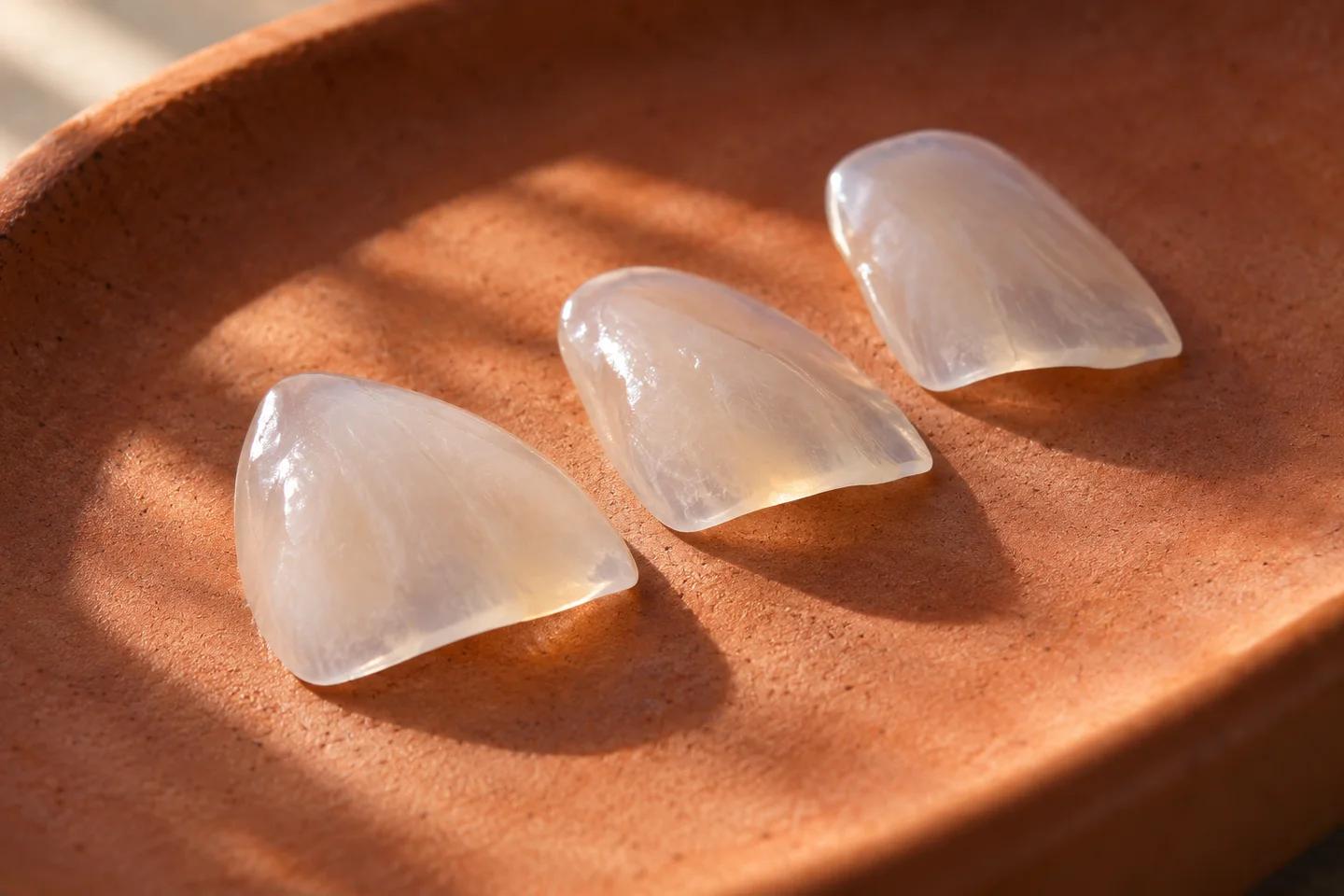
Porcelain veneer from
£700
NHS: Only when clinically needed
Choose your practice
NHS: Only when clinically needed
Noticed this?
Practices offering dental veneers
Choose your practice to see its prices and book.
- Porcelain veneer
- From £700
- Porcelain veneer
- From £700
Quick answers
Can I have a veneer on just one tooth?
Yes. Matching one veneer to the natural teeth beside it takes careful shade and shape planning, and your dentist explains what is realistic for that tooth.
Are veneers available on the NHS?
Not for appearance alone. The NHS may occasionally provide a veneer when there is a clinical need. Your dentist explains whether any NHS option applies to you.
Bleeding gums are worth a check
Bleeding when you brush or floss is one of the first signs of gum disease. A hygiene visit checks your gums and removes the tartar that brushing can’t shift.
Book a hygiene visit
Dental veneers at Minti
Everything you need to know about dental veneers
What a veneer is
A veneer is a thin, custom-made facing bonded to the front surface of a tooth to change how it looks. It can alter the colour, shape, length and proportions of a tooth, and on front teeth it often wraps over the biting edge too.
Porcelain veneers are made in a dental laboratory to the shape and shade agreed at planning. Porcelain resists surface staining better than composite resin, but it can still chip, crack or come loose.
Composite veneers are built up directly on the tooth in tooth-coloured resin, usually in one visit and often with little or no drilling. Composite can stain, wear and chip over time and needs more maintenance. Our composite bonding page explains it in more detail.
Many porcelain veneers need a thin layer of enamel removed so they sit flush with the neighbouring teeth. Some can be fitted with little or no preparation, depending on the tooth's position and the change being planned. Enamel does not grow back, so where it is removed the change is permanent and that tooth will always need a covering.
A veneer is not the same as a crown. A crown covers the whole tooth and suits teeth weakened by decay, large fillings or fractures. A veneer covers the front and suits sound teeth where the concern is appearance.
Before we suggest veneers
The right treatment is often the one that changes the fewest teeth. If whitening or bonding can give you the result you want, we’ll tell you. Veneers need healthy teeth and gums underneath, so decay and gum disease come first.
What can a veneer change?
Veneers are designed for sound teeth. Your dentist checks whether a veneer, bonding or whitening suits your needs.
- Deep staining that does not respond to whitening
- Worn or chipped edges
- A tooth that sits slightly out of line
- A persistent gap
Your veneer journey at Minti
- ConsultationYour dentist checks your teeth, gums and bite and talks through the changes you would like.
- PreparationTeeth are prepared if needed and scanned or recorded. Temporary veneers may be fitted.
- FittingThe veneers are checked for fit and shade, bonded in place and the bite adjusted.
- ReviewYou get aftercare advice and a review to check the veneers and your gums.
When veneers may not suit you
Veneers need healthy teeth and gums underneath them. Your dentist may recommend other treatment first, or a different option altogether, if you have:
- Active tooth decay or untreated gum disease.
- Too little sound enamel left for the veneer to bond to.
- Teeth that are heavily filled, cracked or weakened, where a crown may be more suitable.
- Significant crowding or rotation, where moving the teeth would make more sense than disguising their position.
- Heavy grinding or clenching, or a bite that puts a lot of force on the front teeth.
- Expectations that cannot be met safely with the teeth you have.
Grinding does not automatically rule veneers out, but it raises the risk of chipping and debonding. Our guide to teeth grinding explains the signs, and your dentist can talk through whether a night guard or a different material would be sensible.
Veneers, bonding, whitening or aligners
The right treatment is often the one that changes the fewest teeth. Your dentist can explain what each option can and cannot do before you decide.
- Teeth whitening suits you if the colour of your natural teeth is the main concern and you are happy with their shape. It does not change shape or position, and it does not lighten existing veneers, crowns or fillings.
- Composite bonding can repair a small chip, reshape an edge or close a small gap, often with little or no enamel removed. It is usually quicker and less costly than porcelain but needs more upkeep.
- Clear aligners move the teeth themselves. If crowding or rotation is the problem, straightening first can avoid disguising it with porcelain, and can reduce how much tooth needs preparing if you still want veneers afterwards.
- Crowns suit teeth that are heavily restored, broken or weak, where a veneer would not have enough sound tooth to hold onto.
Planning before any tooth is prepared
Because preparing a tooth can be permanent, veneers are planned in a set order.
- 1. Check your oral healthDecay and gum inflammation are treated first. Healthy gums give a stable edge for the veneer to sit against, and our hygienist page explains gum care.
- 2. Consider tooth positionIf teeth are crowded or rotated, your dentist may suggest aligners before veneers.
- 3. Settle the colourIf you want your natural teeth whiter, whiten them before the veneer shade is chosen. Porcelain does not respond to whitening, so the veneers are matched to your new shade once it has settled.
- 4. Agree the designYour dentist discusses shape, length and shade with you, using photographs, models or a trial smile where useful. Your written plan sets out how many teeth are involved, how much preparation each needs, the number of appointments and the full fee.
You should understand and agree to the plan before any enamel is removed.
Risks and long-term upkeep
Veneers can look natural and last for years, but they are not maintenance-free.
- They can chip or crackBiting hard objects, a knock or heavy grinding can damage porcelain. Some chips can be repaired and others mean replacing the veneer.
- They can come looseIf a veneer debonds, keep it safe and call the practice. Do not try to glue it back yourself.
- Sensitivity can followSome people notice sensitivity after preparation or bonding. Our page on sensitive teeth covers the common causes. Sensitivity that is severe or keeps getting worse should be checked.
- The tooth underneath can still decayGum disease and decay at the edge of a veneer are still possible, so brushing, cleaning between your teeth and dental check-ups remain important.
- They will need replacing one dayNo lifespan can be guaranteed. Replacement means further appointments and cost, and a prepared tooth will always need covering.
Looking after veneers
- Brush twice a day with fluoride toothpaste, paying attention to the gum line around each veneer, and clean between your teeth every day.
- Do not use your teeth to open packets, bite pens or crack nuts.
- Wear a night guard if your dentist recommends one for grinding.
- Remember that your natural teeth can darken over time while porcelain stays the same shade. Talk to your dentist before using any whitening product.
- Contact the practice if a veneer chips, feels loose or catches when you bite. A broken tooth under a veneer needs checking promptly.
Before you book
- Describe the colour or shape concernTell your dentist which teeth you are thinking about and share any history of grinding, chipped teeth or previous veneer work.
- Ask about the alternativesDiscuss how much of the existing tooth would be involved, whether bonding or another approach could suit the same concern and how the veneers would be maintained.
Veneer fees
Published private fees. The total depends on how many teeth are treated and what the plan involves, and your written plan confirms it before treatment starts.
| Treatment | NHS | Private at Minti |
|---|---|---|
| Porcelain veneer, per tooth | Only when clinically needed | From £700 |
Veneers for appearance are private. The NHS may occasionally provide a veneer when there is a clinical need, as part of the Band 3 charge of £332.10, but this does not cover cosmetic veneers. Ask whether your quote includes temporary veneers, any gum treatment or fillings needed first, and reviews. Written quotes are held for 30 days.
All fees and finance optionsA written quote before you decide
Your practice explains your options and confirms the cost before treatment starts.
Request an appointment
What patients say
- ★★★★★
My dentist was very thorough and communicated with me well about my teeth. Highly recommend.
Tamara B. · Nuffield
- ★★★★★
There’s no other dentist like this one.
Aidan R. · Church Langley
- ★★★★★
Fantastic, thanks for looking after me, even though I got to my appointment late.
Thomas W. · Enfield Smiles
Frequently asked questions
How long do porcelain veneers last?
Many last for years, but no lifespan can be guaranteed. It depends on your bite, grinding, cleaning, the health of the tooth underneath and how the veneer was made and bonded.
Is getting veneers painful?
Local anaesthetic is used when teeth are prepared, so you should feel pressure rather than pain. Some people have temporary sensitivity afterwards. Tell the practice if it is severe or does not settle.
How much do veneers cost at Minti?
Porcelain veneers start from £700 per tooth at Nuffield Dental Practice, Church Langley Dental and Enfield Smiles. Your written plan confirms the total for the number of teeth and any treatment needed first.
Request an appointment
Send a request and your practice will call to confirm a time.
Booking at Nuffield · 01279 424 038