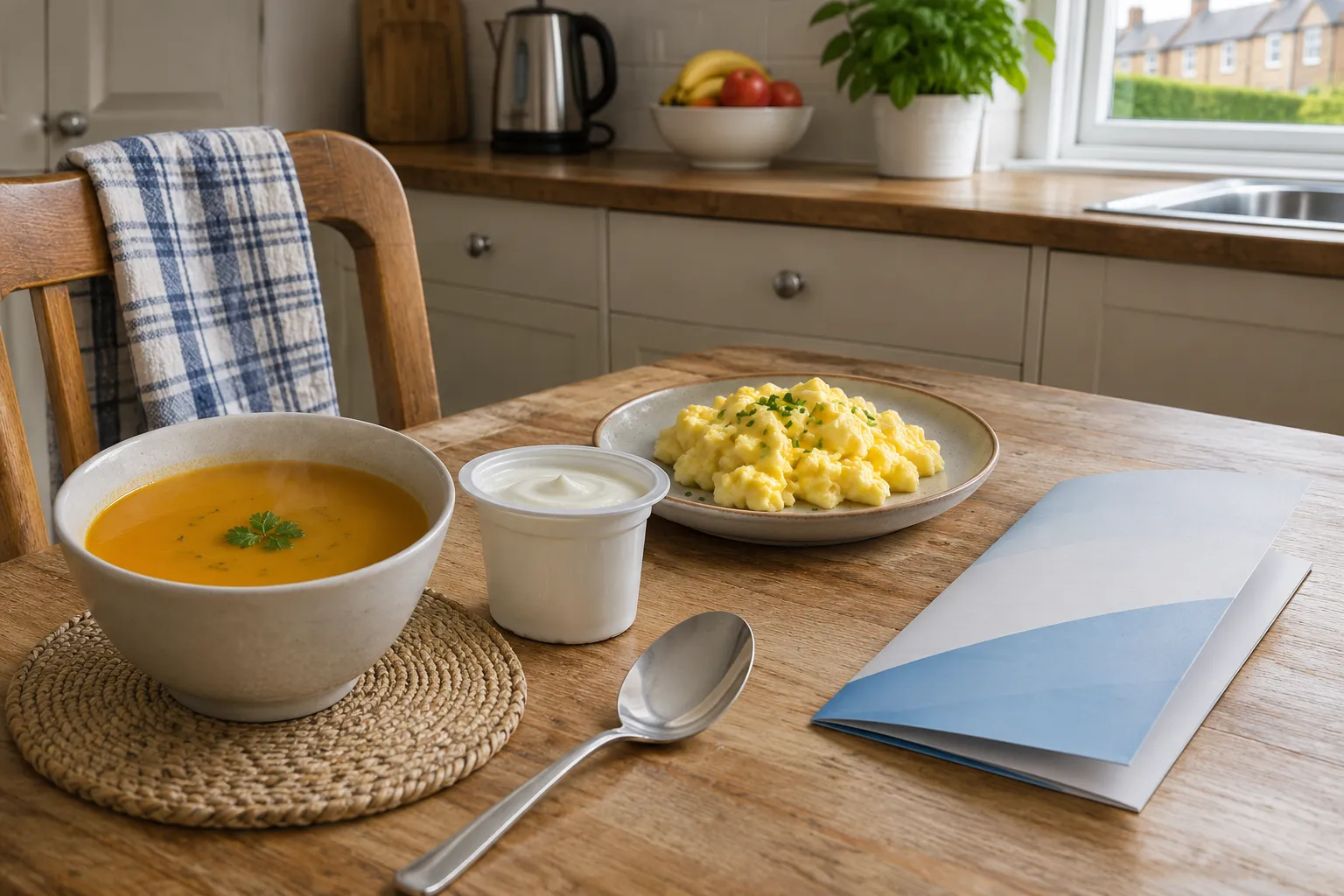
Your mouth is numb, it tastes faintly of blood, and you'd give a lot for a cup of tea. But the gauze has only just come out, you've been told to protect the clot, and now even a glass of water feels like it might undo everything. So you've been sitting there with it in your hand, working up the courage. You're not the only one. When you can drink after an extraction is a very common question.
The short answer: you can usually sip cool or lukewarm water soon after a tooth extraction, once the bleeding has settled, as long as you drink gently and don't swish or spit. Leave hot drinks like tea and coffee until the numbness has worn off, and avoid very hot drinks for the first day or two. Skip alcohol for at least the first 24 hours, and don't use a straw for the first day. If drinking suddenly becomes painful after day two or three, or the socket starts bleeding again and won't stop, call my emergency dentist team in Harlow or Enfield, or NHS 111 if we're closed. The full recovery guide is in my tooth extraction guide.
Bleeding that won't stop, or pain getting worse? Call your nearest Minti practice and tell reception you've had a tooth out. I keep same-day appointments for pain and swelling wherever I can.
- Nuffield Dental Practice, Harlow: 01279 424 038
- Church Langley Dental, Harlow: 01279 306 690
- Enfield Smiles, Enfield: 020 8804 4320
Evening, weekend, or nowhere near us? Call NHS 111. If you're struggling to breathe or swallow, or swelling is spreading to your eye or neck, that's 999 or A&E.
Can I drink water straight after a tooth extraction?
Yes, gently. Water is the easiest drink on a new socket. Once the bleeding has settled to an ooze, sip cool or room-temperature water and swallow it normally. One NHS hospital leaflet says a warm drink is fine an hour after an extraction, so you don't need to go thirsty for the day.
The important part is how you drink, not what. For the first 24 hours:
- sip, don't gulp, and drink from the other side if you can
- don't swish water around your mouth
- don't spit it out; swallow instead. NHS hospital leaflets say not to rinse or spit for 24 hours because it can disturb the clot
The clot in the socket is the plug that lets it heal. Think of it as freshly laid concrete: you can walk past it, you just shouldn't stamp on it. A slight taste of blood in your water on the first day is common and nothing to worry about.
When can I have tea or coffee after an extraction?
Wait until the numbness has fully worn off. While you're numb, you can't feel how hot a drink is, so it's easy to scald your lip, tongue or cheek without noticing. The Oral Health Foundation and NHS hospital leaflets both make this point.
After that, let it cool a bit. The NHS advises against very hot drinks after an extraction, to reduce the risk of bleeding and scalding. Hospital leaflets vary between the day of the extraction and the first two days for avoiding hot drinks. So: warm, not hot, for the first day or two.
Tooth Extraction at Minti
A standard private extraction is £195. On the NHS, extractions fall under Band 2, £76.60.
Ask about an extraction
Can I use a straw after a tooth extraction?
Not for the first day. My practice's aftercare advice is no straw for the first 24 hours, alongside no rinsing, no smoking and no alcohol. The worry is the suction: sucking hard creates negative pressure in your mouth, which isn't what a fresh clot needs.
If you've had an upper back tooth out and been told the socket was close to your sinus, you may be given longer, stricter advice, sometimes a couple of weeks without straws. Follow whatever you were told on the day. For smoothies and milkshakes, a spoon is your friend. And if you've already used a straw and you're worried, see how it feels: pain that gets worse after day two or three is the thing to look out for, not the straw itself. My dry socket guide explains the signs.
When can I drink alcohol after a tooth extraction?
The NHS says not to drink alcohol after an extraction, to reduce the risk of bleeding. NHS hospital leaflets give different timeframes, most often 24 hours and some up to 48 hours. I'd stick to at least the first 24 hours.
Alcohol-based mouthwash is best avoided in the first few days too. Warm salt water from the day after the extraction does the job without the sting. My things to avoid after a tooth extraction section has the full list.
Written Quotes Before You Decide
Your practice explains your options and sets out the cost in writing before treatment starts. Every quote is held for 30 days.
Request an appointment
What about fizzy drinks and very cold drinks?
The NHS aftercare advice doesn't single out fizzy drinks, so they're not banned.
Cold drinks are fine for most people and can even feel soothing. One hospital leaflet advises avoiding very hot or very cold food for the first two or three days, so if ice-cold water makes the area throb, take it down to room temperature.
If drinking gets more painful each day rather than less, or you notice a bad taste, that's the socket asking for attention. See what should a normal socket look like? and bad taste or smell after an extraction.
When should I call a dentist?
Call us today if:
- the socket starts bleeding again and is still bleeding after 30 minutes of biting firmly on damp gauze (see extraction won't stop bleeding)
- pain is getting worse rather than better after day two or three, especially if it spreads towards your ear (see still in agony three to five days after an extraction?)
- the socket looks empty, or there's a foul taste or smell
- you have swelling that's increasing after day three, or a temperature
Call 999 or go to A&E, not a dentist, if:
- it's hard to breathe, swallow or speak
- swelling is spreading towards your eye or into your neck
- your eye is swollen or painful, or your eyesight suddenly changes
- you can't open your mouth properly because of swelling
- bleeding is heavy and won't stop
If the socket oozes again, the NHS advice is to press on it for at least 10 minutes with a clean cloth or cotton wool; biting on damp gauze does the same job. Paracetamol or ibuprofen can help with the pain.
If you're near Harlow or Enfield and you're worried drinking has disturbed something, I'd much rather take a look than have you spend the evening staring at a glass of water. Ring your nearest Minti practice, tell us when the tooth came out, and we'll take it from there.
This article is general information, not a diagnosis. Problems after an extraction need examining in person to find the cause.