
You've left the surgery, the receptionist has waved you off, and now you're home with a face that feels like it belongs to a waxwork. Then the questions start. How long will I be numb? Why does my jaw ache? Is this much soreness normal? Should that bit be white? You're not the only one Googling this. Knowing what's normal after treatment is one of the most common things I'm asked, and the good news is that most of it settles by itself.
The short answer: after dental treatment, it's normal to be numb for a few hours, to have a sore injection site or achy jaw for a few days, and to have some tenderness around a treated tooth that gets a little better each day. What isn't normal is pain or swelling that's getting worse after the first two or three days, numbness that's still there days later, a temperature, or trouble opening your mouth. If that's you, call my emergency dentist team in Harlow or Enfield, or NHS 111 if we're closed or you're not local. For anything that's slowly settling but you'd like checked, book via my dental check-up page.
This page is my guide to the whole recovery.
Getting worse rather than better? Call your nearest Minti practice and tell reception it's urgent. I keep same-day appointments for pain and swelling wherever I can.
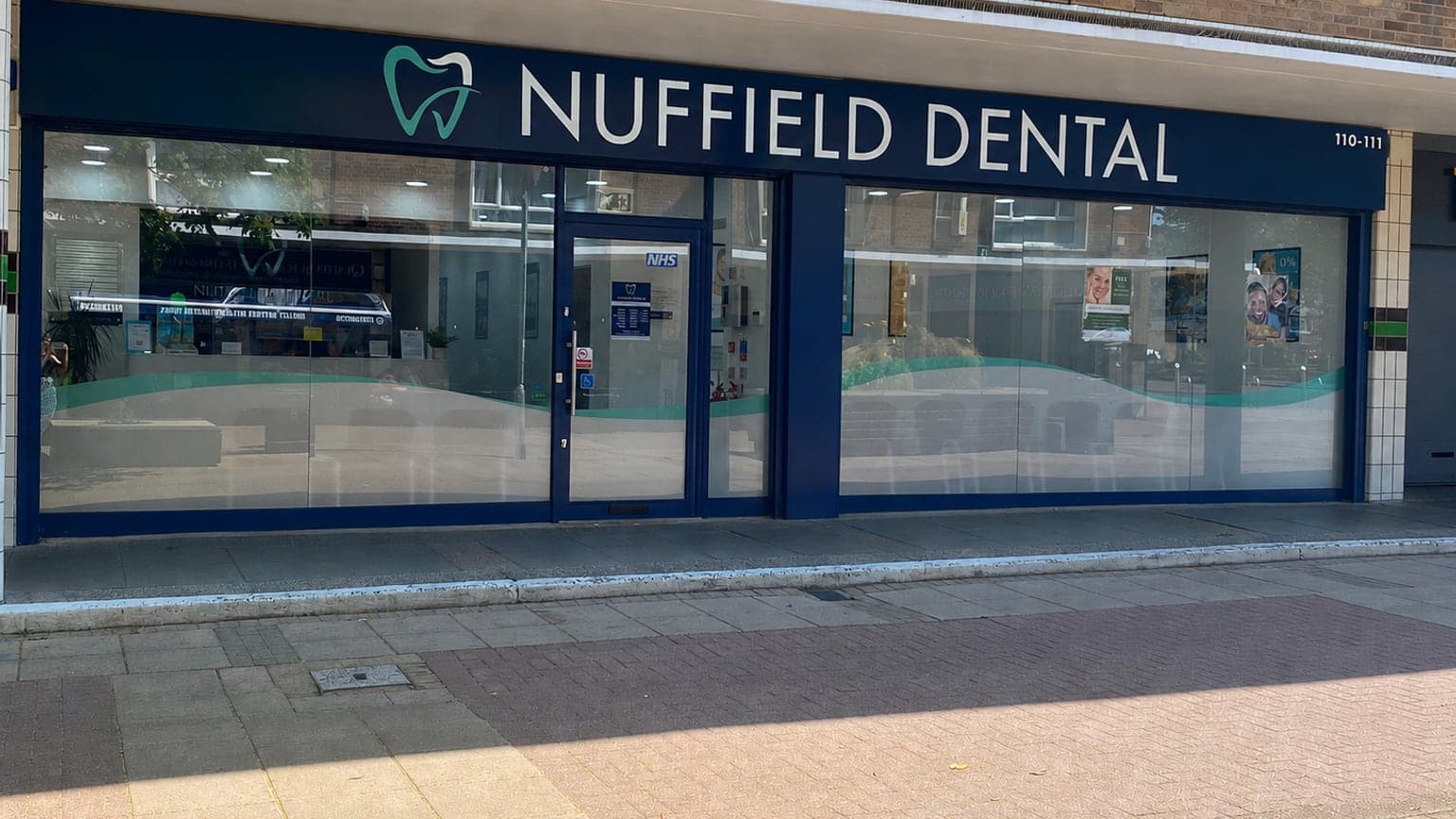
- Nuffield Dental Practice, Harlow: 01279 424 038
- Church Langley Dental, Harlow: 01279 306 690
- Enfield Smiles, Enfield: 020 8804 4320
Evening, weekend, or nowhere near us? Call NHS 111. If you're struggling to breathe or swallow, or swelling is spreading to your eye or neck, that's 999 or A&E. Jaw pain with chest pain or breathlessness is also 999, whatever treatment you've just had.
How long does numbness last after the dentist, and what's normal?
Numbness is the part everyone notices first, and it comes with its own little set of questions.
How long does numbness last?
Usually a few hours. The NHS says you may not have any feeling in your jaw and face for several hours after root canal treatment while the anaesthetic wears off, and the same goes for most treatment under a local anaesthetic. Lower teeth tend to take longer, because the injection numbs a bigger area, often including half the lip, chin and tongue. Your lip and cheek usually wake up after the tooth does.
Can you get rid of numbness faster?
Mostly, it's a waiting game. The anaesthetic wears off as your body clears it, and there's no magic trick at home. What you can do is stay safe while you wait: the NHS says to move carefully until it has fully worn off, because you may not notice if you injure yourself.
What if I'm still numb days later?
I'll keep this bit straight. The NHS lists continuing numbness or pins and needles as a rare but more serious side effect of a local anaesthetic. After lower wisdom tooth surgery, there's also a small risk of damage to the nerves that supply the lip, chin and tongue, which is usually temporary but occasionally permanent. Hospital oral surgery advice is to get in touch if numbness lasts more than a week. If you're still numb the next day, ring whoever treated you.
Is a sore injection site normal?
Yes, usually. The NHS lists minor bruising, bleeding or soreness where the injection was given, and a tingling or burning feeling as the anaesthetic wears off, among the common side effects. It's normally a small, tender spot that fades over a day or two.
Why do my jaw and throat hurt after dental work?
Jaw pain
An achy jaw after a long appointment is very common. Holding your mouth wide open for the best part of an hour is a workout your jaw wasn't expecting, and the injection for lower back teeth sits close to one of the chewing muscles, which can leave it stiff for a few days. If your jaw joint was already a bit grumpy, a long appointment can set it off. Soft food, warmth and ordinary painkillers usually do the job. The one thing I'd never ignore: stiffness that's getting worse with swelling or a temperature, which needs seeing the same day.
Sore throat
This one surprises people, because nobody touched your throat. But the back of your mouth sits right next door, and a long appointment, the injection for lower back teeth, a lower extraction or a general anaesthetic can all leave it sore for a day or two. If it's getting worse on one side with swelling or a temperature, call. If swallowing becomes difficult, that's 999.
What can I eat after dental treatment?
The first rule is the same whatever you've had done: wait until the numbness has gone before you eat, and don't have anything hot while you're numb. You can bite or burn yourself without feeling a thing.
After a filling
Usually you can eat quite soon, but it depends on the type of filling and on how numb you still are.
After surgery or an extraction
Soft food for the first few days: soup (lukewarm), scrambled eggs, pasta, mashed potato, porridge, yoghurt. The NHS says to eat soft or liquid food until you can chew more comfortably, and to avoid alcohol and very hot drinks.
If you've already bitten your lip
It happens, especially to children. Press on any bleeding with something clean, rinse with water, and don't eat until the feeling is back. It usually swells, turns into a mouth-ulcer-type sore and heals within a week or two. The NHS says to see a GP or dentist about any mouth ulcer that lasts longer than 3 weeks.
How much pain is normal after a filling, extraction, root canal or implant?
Here's the rule I say to everyone: the direction of travel matters more than the amount. Pain that's a bit better every day is healing. Pain that's getting worse after the first couple of days, or comes back after it had settled, is the one I want to know about.
After a filling
A bit of sensitivity or tenderness is common and usually settles. If it hurts when you bite, the filling may be sitting slightly high, which is a quick fix. I've done it myself, and every honest dentist has.
After an extraction
Soreness and some swelling for a few days is normal, and the NHS says pain and swelling after wisdom tooth removal can last up to two weeks, easing after the first day or two. Pain that gets worse a few days after an extraction, often with a bad taste, can be dry socket. My tooth extraction guide covers healing and warning signs.
After a root canal
The NHS says the area around the tooth may feel swollen and sore but should get better in a couple of weeks. Our root canal treatment page explains the treatment itself.
After an implant
Some soreness and swelling after implant surgery is expected, and it should be easing within days, not building. Follow the instructions you were given on the day.
For pain after any of these, the NHS suggests paracetamol or ibuprofen, following the dose on the packet.
When should I call a dentist after dental treatment?
I'll keep this bit straight. Most recovery questions answer themselves in a few days. These don't.
Call us today if:
- pain or swelling is getting worse after the first two or three days, rather than better
- you have a temperature, feel unwell, or notice a bad taste or pus
- your jaw is getting stiffer and harder to open
- you're still numb the day after treatment
- bleeding after an extraction won't settle with firm pressure
- you can't eat or drink because of pain
Book an ordinary appointment if something is slowly settling but still there after a week or two, if your bite feels wrong after a filling, or if a mouth ulcer hasn't healed in 3 weeks.
Call 999 or go to A&E, not a dentist, if:
- you have chest pain spreading to your arms, neck or jaw, or severe difficulty breathing (NHS heart attack advice)
- you're finding it hard to breathe, swallow or speak
- swelling is spreading towards your eye or down into your neck
- your eye is swollen or painful, or your eyesight changes
- you can't open your mouth properly because of swelling
- bleeding won't stop
If you're near Harlow or Enfield and something after your treatment is getting worse rather than better, I'd much rather take a look than have you spend another night wondering whether it's normal. Ring your nearest Minti practice and tell us what's happening. Anywhere else, or out of hours, call NHS 111.
This article is general information, not a diagnosis. Anything after treatment that's getting worse needs examining in person.