
You've left the surgery, caught sight of yourself in a shop window, and checked whether half your mouth has slid down your face. It hasn't. You've pinched your lip to see if it's still there. You've tried a sip of water and worn some of it. Now you're wondering how long you'll be talking like you've just come back from the pub. You're not the only one asking. It's one of the most common things I hear in my surgery.
The short answer: numbness from a dental injection usually wears off within a few hours. NHS hospital leaflets give a couple of hours to two or three hours, and a dental review puts soft-tissue numbness at three to five hours, so your lip and tongue often stay numb well after the tooth itself is done. After lower teeth, and especially after wisdom tooth surgery, it can last longer. If you're still numb the next morning after an ordinary filling, ring us to ask for a same-day check at our Harlow or Enfield practices, or call NHS 111 if we're closed. For everything else that's normal (and not) after treatment, my guide to recovery after dental treatment covers the lot.
Still numb the next day, or worried about how your mouth feels? Call your nearest Minti practice and tell reception what treatment you had and when. I keep same-day appointments for pain and swelling wherever I can.
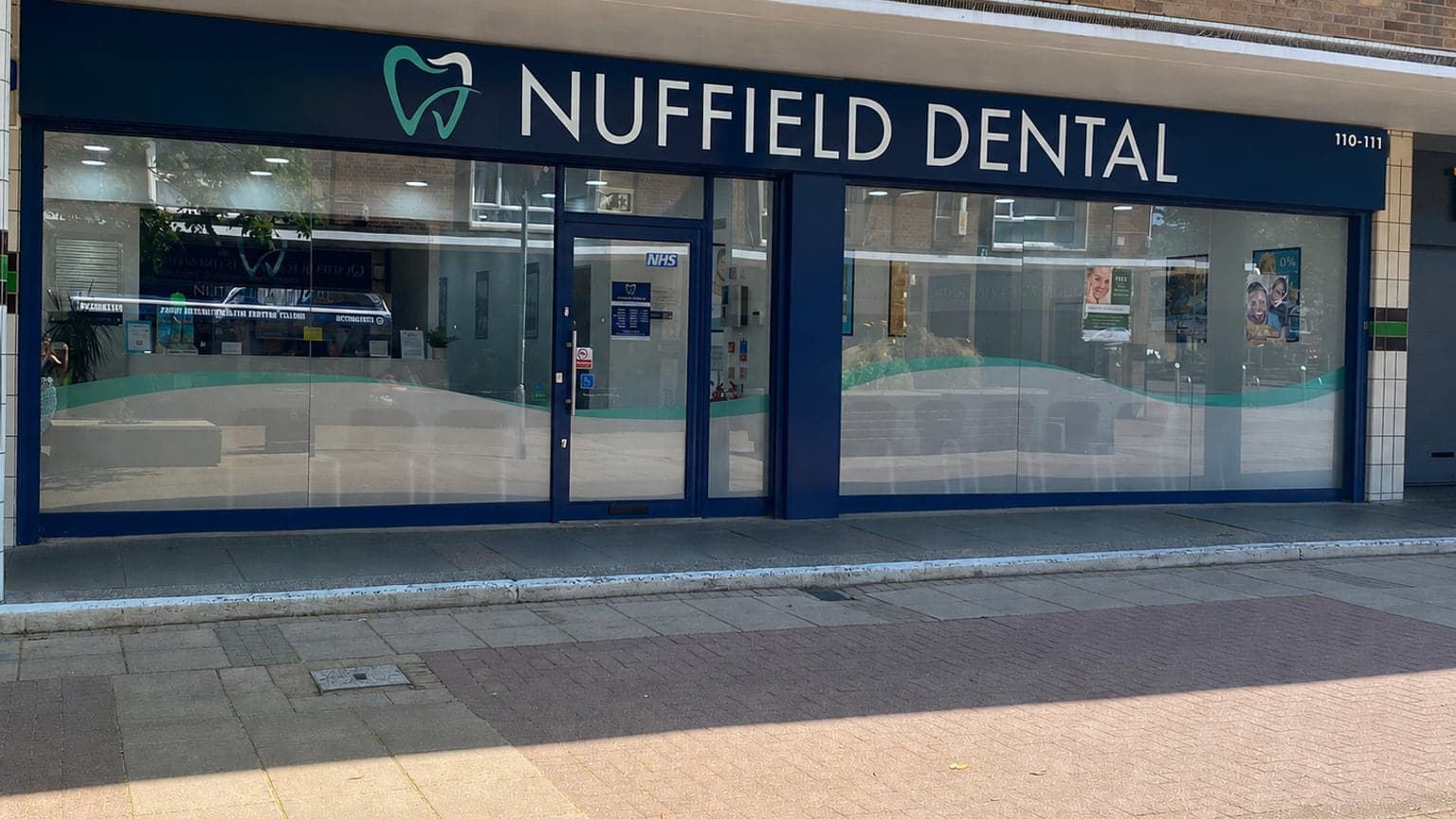
- Nuffield Dental Practice, Harlow: 01279 424 038
- Church Langley Dental, Harlow: 01279 306 690
- Enfield Smiles, Enfield: 020 8804 4320
Evening, weekend, or nowhere near us? Call NHS 111. If you're struggling to breathe or swallow, or swelling is spreading to your eye or neck, that's 999 or A&E.
How long does numbness last after a filling?
For most fillings, a few hours. The local anaesthetic numbs the nerve to the tooth, but it also numbs the gum, lip, cheek and sometimes the tongue on that side. The tooth tends to wake up first. The soft bits of your face are the last to get the memo.
That's why you can feel fine to chew long before your lip agrees. A dental review of local anaesthetic puts soft-tissue numbness at three to five hours, even though the treatment itself usually takes under an hour. Hospital leaflets for children and adults say a couple of hours to two or three hours. Somewhere in that range is normal, and everyone wears off at a slightly different speed.
As it wears off you may feel tingling or a mild burning feeling. The NHS lists that as a normal side effect of local anaesthetic, so it's a good sign rather than a worrying one. It's the pins and needles of a foot that's been sat on, just in your lip.
Why do lower teeth stay numb longer?
Here's the thing about lower back teeth: the bone is thick, so I usually can't numb them with a small injection next to the tooth. Instead the injection goes further back, near the nerve that supplies the whole side of the lower jaw. That nerve also looks after the lower lip and chin, and a nearby nerve supplies the tongue. Numb one, and you numb a bigger area than the tooth you came in for.
So a lower filling often leaves you with half a lip, half a chin and a bit of tongue that feel borrowed. Upper teeth are usually numbed with a smaller injection over the tooth, and the patch that goes numb tends to be smaller.
Extractions, and lower wisdom teeth in particular, can take longer again. One NHS trust's leaflet says numbness after lower wisdom tooth removal "can last quite a few hours and even longer". If you've had a tooth out, the leaflet your dentist gives you trumps any general guide, including this one.
Is it safe to eat and drink while you're numb?
Wait if you can. NHS leaflets advise not eating until the feeling comes back, and avoiding anything hot until the numbness has fully gone. The NHS explains why: you may not notice if you injure yourself. A numb lip can't tell you your tea is scalding. It will tell you about it later, at length.
If you really need a drink, go for something cool, sip carefully from the side that isn't numb, and check your chin. For the full picture on timings after a filling, see how long after a filling you can eat. After an extraction, the rules are stricter, and I've set them out in things to avoid after a tooth extraction.
Can children bite their lip after the dentist?
Yes, and I'll keep this bit straight because it matters. A numb lip feels strange and fat, and children love to explore it with their teeth. Because it doesn't hurt while it's numb, they can chew or suck it for ages without realising. The damage shows up once the feeling comes back.
The Chelsea and Westminster children's leaflet says numbness should wear off within two to three hours, asks parents to make sure the child doesn't bite or chew their cheek, lip or tongue, and advises no food and only water during that time. My advice to parents:
- Keep an eye on them until the feeling is back. Screens help here, as long as their hands stay busy.
- No food until it's worn off, and nothing hot.
- If they keep fiddling, gently remind them.
Adults do it too. If someone has already had a chomp, my article on biting your lip or cheek while numb explains what's normal as it heals. For little ones who find the whole visit a lot, our children's dentistry page explains how we look after them.
When should numbness have worn off?
My rule of thumb: after a routine filling or scale, you should have full feeling back by that evening. After lower wisdom tooth removal or other surgery, the leaflet you were given sets the timeline. One trust asks patients to contact the surgical team urgently if numbness is still there after a week.
Call us today if:
- you're still numb the morning after a filling or other routine treatment
- the numbness is getting worse, spreading, or feels different from the day before
- you have pins and needles or numbness in your lip, chin or tongue that's lasting days, especially after an extraction
- the injection area is swelling, or you have a temperature
Lasting numbness is rare and usually temporary, but it should be checked, not waited out. I've gone through what it can mean in still numb days after dental work. If you're worried about any side effect of a local anaesthetic, the NHS says to get help from NHS 111 or your GP if it doesn't get better.
Call 999 or go to A&E, not a dentist, if:
- one side of your face droops and you also have arm weakness or slurred or confused speech (the NHS FAST signs of a stroke), even if the symptoms come and go
- you're finding it hard to breathe, swallow or speak
- swelling is spreading towards your eye or down into your neck
If a tooth is aching once the numbness wears off, that's a different question, and it's covered in tooth pain weeks after a filling and pain after root canal treatment.
If you're near Harlow or Enfield and you're still numb when you shouldn't be, I'd much rather take a look than have you spend another day prodding your lip and wondering. Ring your nearest Minti practice, tell us what you had done and when, and we'll do our best to see you the same day. Anywhere else, or out of hours, call NHS 111.
This article is general information, not a diagnosis. Numbness that lasts longer than expected needs examining in person.