On this page
Maybe you've been told at a check-up that there's "something to keep an eye on". Maybe you've spotted a chalky mark yourself and spent an evening reading about toothpastes that promise to rebuild enamel overnight. Either way, you're hoping there's a way out of this that doesn't involve a drill. You're not the only one hoping that, and I've got some good news, with one important catch.
The short answer: yes, a very early cavity can often be stopped and even reversed, as long as there's no hole yet. At that stage it's a white spot where the enamel has lost minerals, and with fluoride and a few changes at home the enamel can harden up again. But once decay has broken through the surface and made an actual hole, it can't heal on its own, and it usually needs a filling. The only way to know which you've got is to have it looked at, so book a dental check-up. If it has gone past the early stage, our fillings page explains the next step. If you have toothache, swelling or a broken tooth, call my emergency dentist team in Harlow or Enfield, or NHS 111 if we're closed or you're not local.
Think you've caught something early? Ring your nearest Minti practice and book a check-up while it's still at the easy stage. If there's pain, swelling or a broken tooth, tell reception it's urgent. I keep same-day appointments for pain and swelling wherever I can.
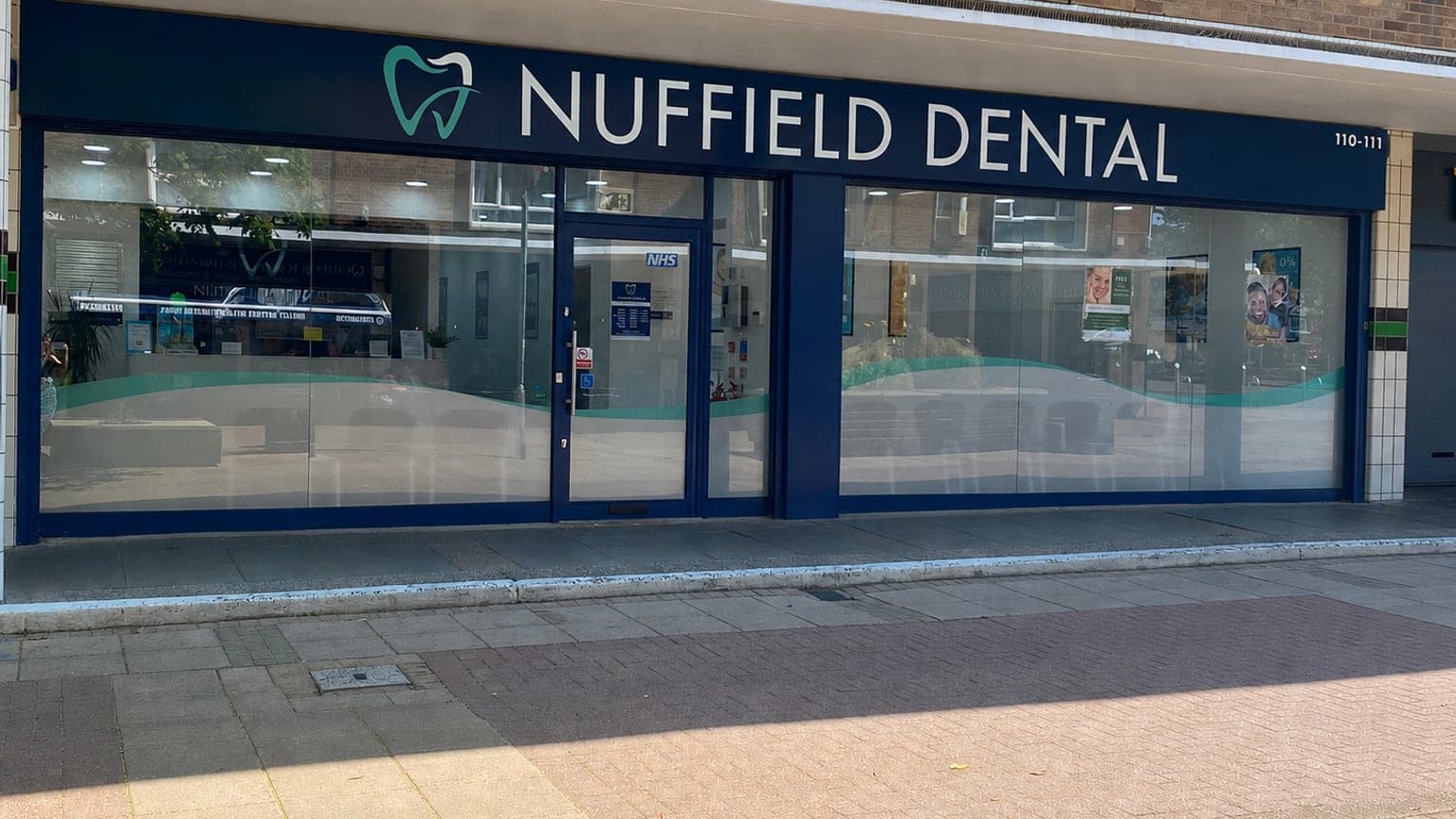
- Nuffield Dental Practice, Harlow: 01279 424 038
- Church Langley Dental, Harlow: 01279 306 690
- Enfield Smiles, Enfield: 020 8804 4320
Evening, weekend, or nowhere near us? Call NHS 111. If you're struggling to breathe or swallow, or swelling is spreading to your eye or neck, that's 999 or A&E.
Can an early cavity really be reversed?
It depends on one thing: whether there's a hole.
The very first stage of decay isn't a hole at all. It's a patch of enamel that has lost some of its minerals, and it often shows up as a dull, chalky white spot. The surface is still in one piece. The NHS says a dentist can use fluoride treatments to reverse early tooth decay, and the MSD Manual puts it plainly: if decay is halted before the enamel surface breaks down, the enamel can repair itself when fluoride is used.
Once the surface has collapsed into a cavity, it's a different story. Enamel can't grow back, and a hole won't fill itself in. I think of it like a pothole. You can resurface a road that's just starting to crack. Once there's a hole, no amount of wishing will level it, and it tends to get bigger with every bit of traffic. If you're not sure what you're looking at, what does a cavity look like? has the stages.
How does fluoride repair early decay?
Your teeth are in a constant tug of war. Every time you have something sugary, bacteria in plaque make acid, and that acid pulls minerals out of the enamel. In between, your saliva calms the acid down and puts minerals back. The Oral Health Foundation describes saliva hardening the enamel again after an acid attack.
Fluoride helps the "putting back" side win. The government's Delivering Better Oral Health guidance says regular fluoride keeps a level in the plaque that encourages the tooth surface to remineralise. In plain English, it helps rebuild and toughen the enamel that's been softened. It's a bit like calling in reinforcements for the side that's losing.
There's no instant fix, and no toothpaste rebuilds a hole. What turns an early spot around is steady fluoride, day after day, with fewer acid attacks in between.
What can you do at home to help an early cavity?
This is the part that's in your hands, and none of it is about being perfect. It's about tipping the balance.
- Use a fluoride toothpaste. For adults, the guidance is toothpaste with 1,350 to 1,500ppm fluoride. The number's on the tube.
- Brush twice a day, including last thing at night. The bedtime brush leaves fluoride on your teeth to work overnight.
- Spit, don't rinse. Rinsing with water washes the fluoride away.
- Think about how often, not just how much. Each sugary snack or drink starts a fresh acid attack. Keeping sweet things to mealtimes gives your saliva time to do its repair work in between.
- Clean between your teeth with floss or interdental brushes, since early decay loves the spots your brush misses.
If your early decay has come as a surprise, please don't read this list as a telling-off. Plenty of people who brush carefully still get decay, because diet, saliva, medicines and the shape of your teeth all play a part. The point is simply that these habits give an early spot its best chance.
What can a dentist do for early decay?
Quite a lot, and none of it involves a drill. Depending on your risk, I might suggest:
- Fluoride varnish, painted onto the teeth. For adults at higher risk of decay, the national guidance is to apply it twice a year.
- A higher-strength fluoride toothpaste on prescription. The guidance allows 2,800 or 5,000ppm toothpaste for people with active decay, until things are stable.
- Keeping a close eye on it at your check-ups, sometimes with X-rays, to make sure the spot is hardening rather than growing.
Hygienists are brilliant at this side of things too. Our hygienist team can help you find the cleaning routine that works for your mouth.
What if it's already a hole?
Then the straight answer is that it needs repairing, and the sooner the smaller. A small cavity usually means a small filling, which is one of the most routine things I do. If you're nervous about that, do fillings hurt? takes you through it, and how much is a filling on the NHS? covers cost. My guide to tooth fillings has the rest.
Please be wary of anything online promising to "heal cavities at home". Once there's a hole, there's no home method that fills it back in, and I explain why in can you remove tooth decay yourself? Left alone, decay tends to keep going deeper, and that's how a small filling becomes a root canal. There's more on how it progresses in my guide to tooth decay.
When should you get an early cavity checked?
As soon as you notice a white or dark spot, a rough patch, or a quick twinge with sweet, hot or cold things. You can't tell a hardening white spot from one that's about to give way from the bathroom mirror, and neither can Google. We can, usually in one visit. If you're registered with us and have been told to watch a spot, keep your next check-up so we can see which way it's going.
Call us today, and say it's urgent, if:
- the tooth aches, throbs or keeps you awake (see tooth decay symptoms)
- pain lingers after hot or cold, or comes on by itself
- a piece of the tooth has broken off
- your gum or face is swollen, or there's a bad taste or pus
Call 999 or go to A&E, not a dentist, if:
- you're finding it hard to breathe, swallow or speak
- swelling is spreading towards your eye or down into your neck
- your eye is swollen or painful, or your eyesight suddenly changes
- you can't open your mouth properly because of swelling
If you're near Harlow or Enfield, I'd much rather take a look while this is still a white spot and a tube of toothpaste than once it's a hole and a filling. Ring your nearest Minti practice and book a check-up. If it's started to hurt or swell, say it's urgent and we'll do our best to see you the same day. Anywhere else, or out of hours, call NHS 111.
This article is general information, not a diagnosis. Early decay needs examining in person to decide the right approach.