On this page
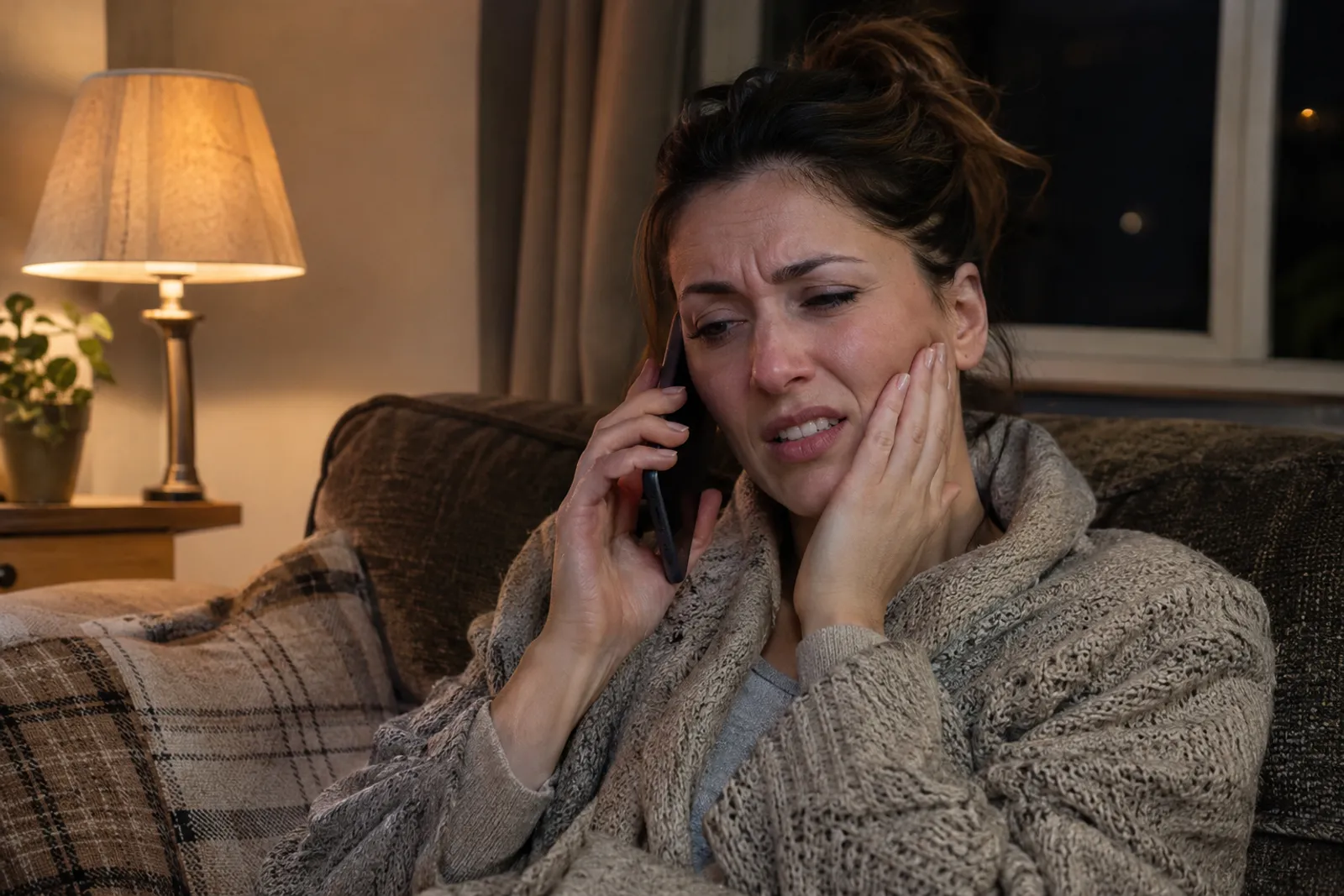
It's late, your tooth is throbbing, and your dentist's phone has gone to the "we are now closed" message for the third time. Someone has told you to "just ring 111", and you're sat there wondering what that actually means. Will a real person answer? Will they laugh at you for calling about a tooth? Do they send a dentist round in a van? Fair questions, all of them, and you're far from the only person asking.
The short answer: when you call NHS 111 or use 111 online about a dental problem, you answer questions about your symptoms and you're told what to do next. If you need urgent care, 111 can direct you to an urgent dental service, but what's available depends on where you live. The NHS says urgent dental treatment should be offered within 24 hours or 7 days, depending on your symptoms. If you're near us and we're open, you can ring my emergency dentist team in Harlow or Enfield directly. Not sure it's urgent at all? Start with what counts as a dental emergency.
Near Harlow or Enfield and we're open? Call your nearest Minti practice first and tell reception it's urgent. I keep same-day appointments for pain and swelling wherever I can.
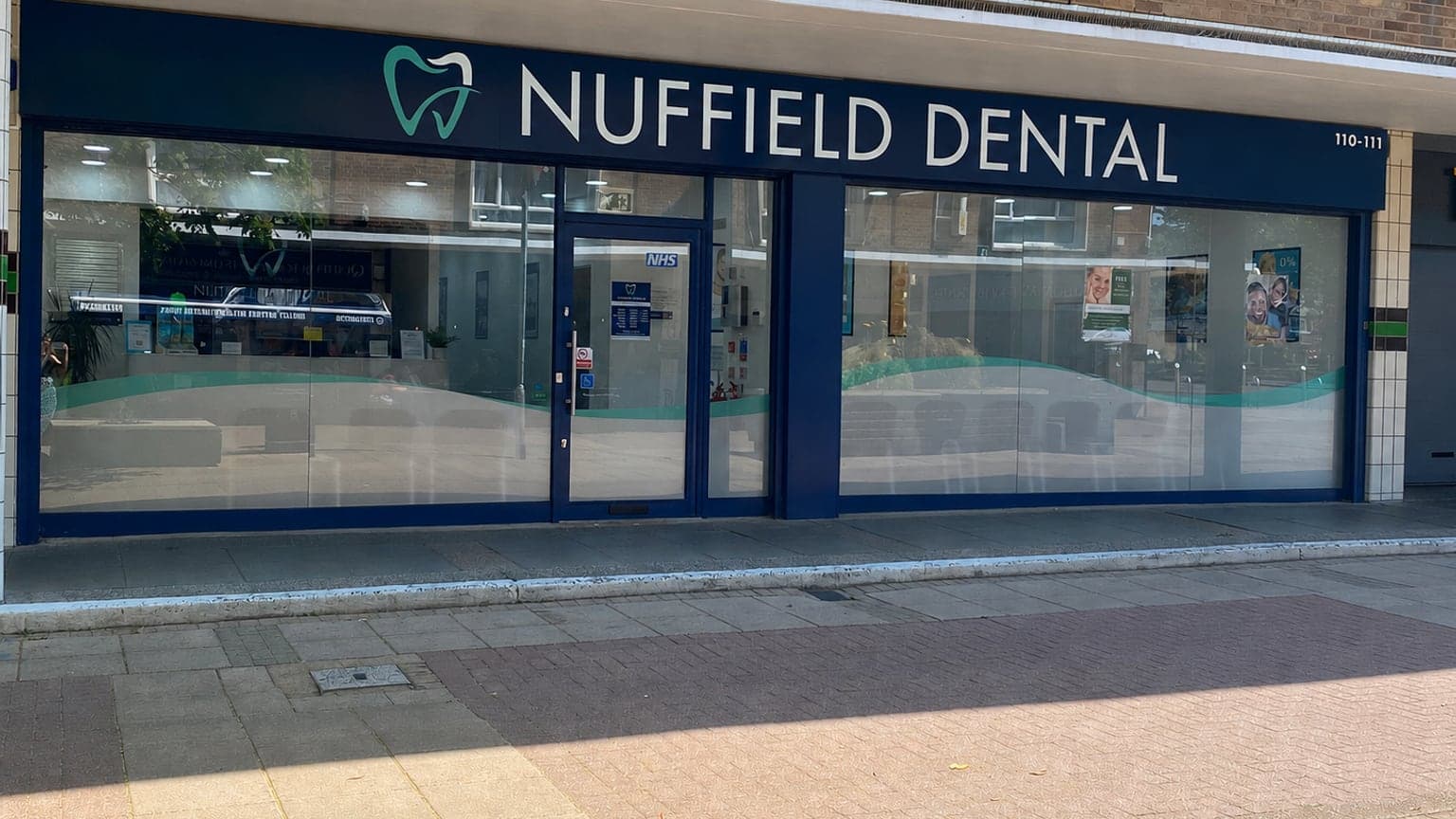
- Nuffield Dental Practice, Harlow: 01279 424 038
- Church Langley Dental, Harlow: 01279 306 690
- Enfield Smiles, Enfield: 020 8804 4320
Evening, weekend, or nowhere near us? Call NHS 111 or go to 111.nhs.uk. If you're struggling to breathe or swallow, or swelling is spreading to your eye or neck, that's 999 or A&E, not 111.
Can NHS 111 help with a dental problem?
Yes. The NHS puts it like this: "111 online can help with dental problems. This might mean finding a dentist, or an emergency dentist if there is availability in your area."
It's also the route the NHS points you to again and again. Its toothache page says if you can't get hold of a dentist, call 111 or visit 111 online and they can advise you what to do. Its dental abscess page says 111 "can tell you where you can get help for your symptoms".
So no, nobody's going to laugh. Dental problems are part of what 111 is there for. And you don't need to be registered with a dentist to use it.
What happens when you call 111 about toothache?
Here's roughly how it goes, based on what the NHS and local NHS services describe.
- You're asked about your symptoms. On 111 online, you answer questions on the website or in the NHS App and you're told what to do next. By phone, you'll be asked a few questions too. Expect things like where the pain is, how long you've had it, whether there's swelling, whether you've a temperature, and whether you're having trouble breathing or swallowing.
- They work out how urgent it is. Those questions are there to sort the "needs care tonight" from the "needs a dentist this week" from the "needs A&E now".
- You're told where to go. If you need urgent dental care, 111 can direct you to an urgent dental service in your area. One NHS London area describes it simply: you'll be asked a few simple questions and, if needed, be seen in your local area. In some cases you may be offered a callback.
- Or you get self-care advice. If it isn't urgent, you'll be told how to manage it and to see a dentist in normal hours.
Think of 111 as the switchboard, not the surgery. It doesn't fix the tooth. It gets you to the person who can, as quickly as your symptoms need.
Will 111 get me an emergency dentist appointment?
It can, but I'll be straight with you: it depends on where you live. The NHS's own wording is an emergency dentist "if there is availability in your area". Urgent dental services are organised locally, so how it works in one part of the country, or even one part of London, can be different from the next.
How quickly you're seen depends on your symptoms. The NHS says you should be offered urgent dental treatment within 24 hours or 7 days, depending on your symptoms, and for a knocked-out adult tooth, within 1 hour or as soon as possible.
That means 111 may not get you seen the same night for a toothache that's manageable with painkillers. That's not 111 brushing you off. It's triage doing its job, with the most serious cases going first.
The urgent dental appointment itself is NHS care, so the normal NHS urgent charge applies unless you're exempt. How much is an emergency NHS dental appointment? explains what it covers.
Should I call 111 or my dentist first?
If your dentist is open, ring them first. They know your teeth and they may be able to fit you in. If they can't, my emergency dentist guide goes through what to do next.
If it's evening, the weekend, a bank holiday, or you're away from home, 111 is the route.
Two things not to do. The NHS says don't go to your GP, because they can't give you dental treatment. And don't go to A&E for ordinary toothache, however miserable it is.
A few things that make the 111 call smoother, and the same goes for ringing a practice:
- know which tooth or side hurts, and since when
- say if there's swelling, and where
- mention a temperature, or trouble opening your mouth
- have a list of any medicines you take, and what painkillers you've had today
When should you call 111, and when is it 999?
The NHS says to see a dentist if toothache lasts more than 2 days or doesn't settle with painkillers. Out of hours, that's a 111 call.
Call us in hours, or 111 out of hours, if:
- toothache is keeping you awake or painkillers aren't touching it
- your gum or face is swollen
- you think you have a dental abscess
- you've knocked out or broken a tooth (a knocked-out adult tooth is time-critical)
- you're bleeding after an extraction and it won't settle with pressure
Call 999 or go to A&E, not 111 and not a dentist, if you:
- are finding it hard to breathe, speak or swallow
- have swelling spreading towards your eye or down into your neck, or a lot of swelling in your mouth
- have a swollen or painful eye, or sudden problems with your eyesight
- have heavy bleeding from your mouth that will not stop
- have a serious injury to your face or jaw, or a head injury that made you pass out, vomit or see double
The NHS says don't drive yourself: ask someone to take you, or call 999 for an ambulance.
While you wait, the NHS suggests paracetamol or ibuprofen, taken as the packet says.
If you're near Harlow or Enfield and it's getting worse rather than better, I'd much rather take a look than have you spend another night on hold wondering if it's serious enough. Ring your nearest Minti practice when we're open. Out of hours, or anywhere else, call NHS 111.
This article is general information, not a diagnosis. Tooth pain needs examining in person to find the cause.