You're either about to spend money on whitening and want to know if it's a one-off or a subscription, or you had it done a while ago and you've started holding your phone camera at a very particular angle. Either way, fair question. How long whitening lasts is one of the most common things I hear in my surgery, and the answer is kinder than the internet suggests, with one catch.
The short answer: professional teeth whitening isn't permanent, but it lasts a good while. The NHS says the effect may last for around 3 years if you follow your dentist's advice, and the Oral Health Foundation says results can last several years but vary from person to person. Smoking, tea, coffee and red wine bring staining back sooner. You can see how I approach it on my teeth whitening page, and a regular check-up and hygienist visit help keep it looking fresh. If whitening has left you with pain, sore or blistered gums, or swelling, call my emergency dentist team in Harlow or Enfield, or NHS 111 if we're closed.
Want whitening that's planned properly, or advice on a top-up? Book an assessment at your nearest Minti practice. I'll check your teeth and gums first.
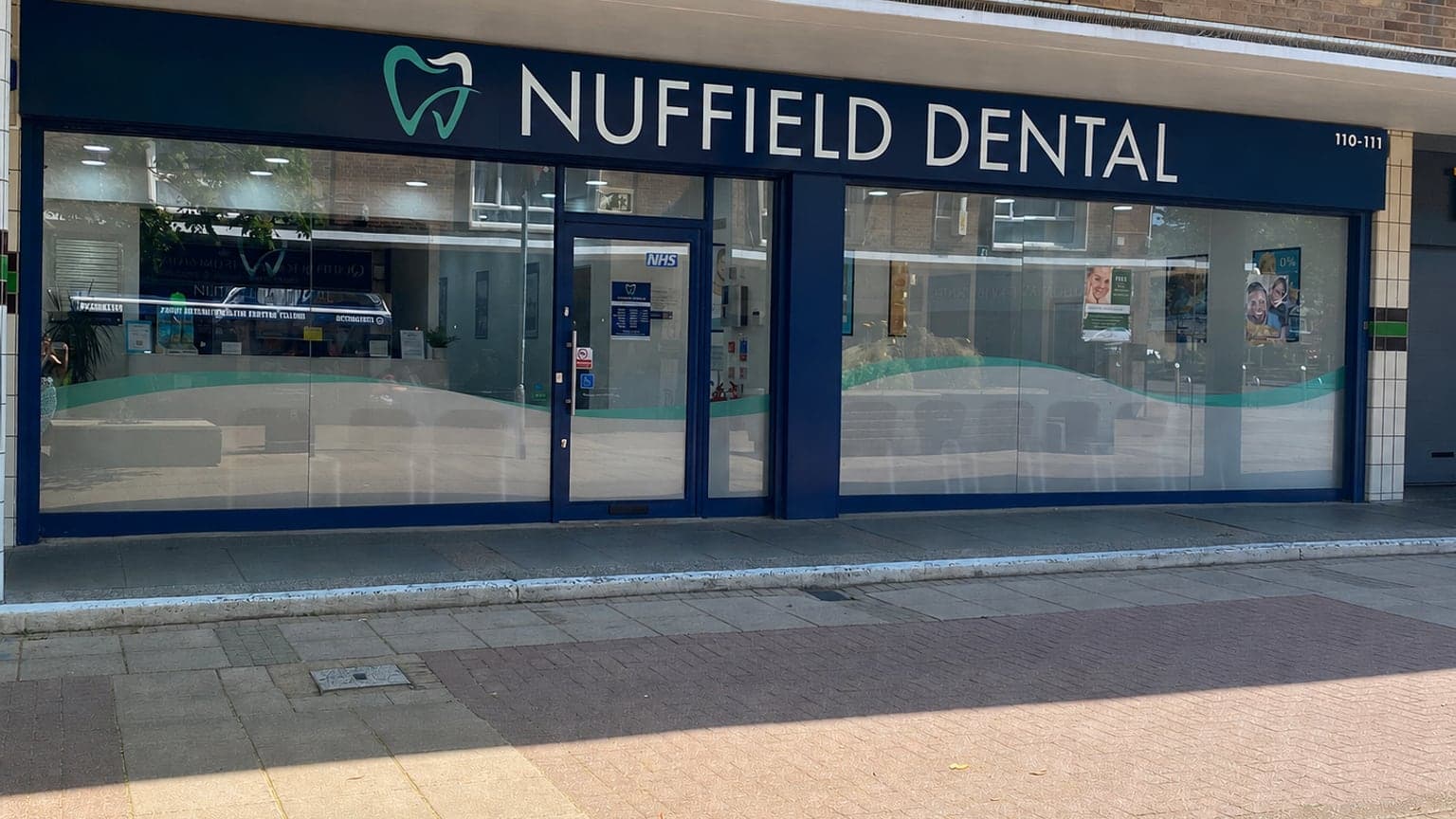
- Nuffield Dental Practice, Harlow: 01279 424 038
- Church Langley Dental, Harlow: 01279 306 690
- Enfield Smiles, Enfield: 020 8804 4320
Pain, burnt or blistered gums, or swelling after whitening? Tell reception it's urgent. I keep same-day appointments for pain and swelling wherever I can. Evening, weekend, or nowhere near us? Call NHS 111. Struggling to breathe or swallow? That's 999 or A&E.
How long do whitening results usually last?
The two sources I trust most on this give a similar picture. The NHS says the effect may last for around 3 years if you follow your dentist's advice. The Oral Health Foundation says results can last several years, but it varies. I checked both on 30 October 2026.
Notice the small print in both: "may", "if", "varies". That's not a dodge. It's because how long whitening lasts depends far more on what happens after the treatment than on the treatment itself. Two people can have the same whitening on the same day, and a few years later one of them has had a lot more espresso.
What I won't do is promise you a shade or a date. Teeth respond to whitening differently, and I'd rather give you a straight expectation than a sales line.
Why does whitening fade?
Whitening lightens the colour of your natural teeth. It doesn't make them stain-proof. The same things that darkened them in the first place carry on doing it. The NHS lists the usual causes of discoloured teeth as getting older, regularly having drinks that can stain teeth, such as coffee, tea or red wine, and smoking.
Think of it like a white T-shirt. A good wash gets it bright again. It doesn't stop you dropping bolognese down it on Thursday.
Ageing plays a part too, and nobody has found the off switch for that one. So some gradual change over the years is normal, even for people who live on water and never smoke.
Does dentist whitening last longer than a home kit?
It's the wrong comparison, in a way, because the two aren't doing the same job. Legal shop-bought kits in the UK can contain no more than 0.1% hydrogen peroxide, which the Oral Health Foundation says is too low to make a noticeable difference to the colour of your teeth. It's hard for a result to last when there wasn't much of one to begin with.
Whitening through a dentist can use stronger products, up to 6% hydrogen peroxide, for adults over 18 after an examination. That's the UK law, set out by the General Dental Council, and it's why the NHS says a kit from a dentist, or whitening at a dental surgery, is the safest way. The NHS also says whitening from beauty salons, or with kits bought from a pharmacy or online, doesn't work as well and may harm your teeth and gums. Whitening in a salon or kiosk by someone who isn't a registered dental professional is illegal.
If you're weighing up the options, I've compared them in dentist vs at-home teeth whitening, and the cost side is in how much is teeth whitening in the UK?
How can you make whitening last longer?
This is the bit you control, and it's where most of the difference is made. The Oral Health Foundation says keeping whitening looking good comes down to good brushing and regular dental cleaning, and that stains come back faster if you smoke or have a lot of dark drinks.
- Cut down on the big stainers. Tea, coffee and red wine are the usual suspects. You don't have to give them up. Having them less often, and not sipping them all day, helps.
- Stop smoking if you can. It's the one change that helps your teeth, gums and everything else at the same time.
- Brush twice a day with a fluoride toothpaste, and clean between your teeth.
- Keep up your hygienist and check-up visits. A professional clean lifts surface staining before it builds up. My hygienist page explains what's involved.
Whitening toothpaste is a separate question, and I've given it its own post: does whitening toothpaste actually work?
Can you top up whitening?
Yes, a top-up is possible, but it should go through a dentist, and not just because I'm a dentist saying so. The General Dental Council's position is that for each cycle of use, the first use of a professional-strength product has to be carried out by a dental professional or under their direct supervision. So a new round of whitening isn't something to start yourself with old gel from the back of the bathroom cabinet.
I'll be straight about side effects too. The NHS lists teeth becoming sensitive to cold or sweet food and drink, sore gums or throat, and white patches on the gums. These are usually short-lived, and the Oral Health Foundation describes sensitivity and gum irritation as usually temporary. If your teeth are already sensitive, read can you whiten sensitive teeth? and sensitive teeth after whitening. The wider safety picture is in is teeth whitening safe?
One more thing before you top up. Whitening only lightens natural teeth. The Oral Health Foundation says it won't work on fillings, crowns or veneers, so if you've had any of those since your last whitening, they won't change colour with the rest. There's more on that in can you whiten composite bonding?
When should you see a dentist about whitening?
For fading, there's no rush. Bring it up at your next check-up, or book an assessment if you'd like to talk about a top-up. It's also worth getting a single tooth checked if it has gone darker on its own while the rest haven't, because that isn't the same as whitening fading and it needs a look rather than more gel. My teeth whitening guide covers the full picture.
Call us today, and say it's urgent, if after any whitening:
- you have tooth pain that isn't settling
- your gums look burnt, white and sore, or have blistered
- your gums, lips or face have swollen
The NHS says to talk to your dentist if you have any side effects that bother you. If you used a product that didn't come from a dental practice, stop using it and bring the packaging with you.
If you're near Harlow or Enfield and your whitening has faded, or you're planning it for the first time, I'd much rather look at your teeth and give you a realistic idea of what to expect than have you guess from before-and-after photos online. Ring your nearest Minti practice to book an assessment. If you're in pain or your gums are sore after whitening, say it's urgent and we'll do our best to see you the same day. Anywhere else, or out of hours, call NHS 111.
This article is general information, not a treatment plan. How well whitening works and how long it lasts varies, and needs an examination in person to judge.