
You've had your lip pulled down in front of the bathroom mirror, phone torch in the other hand, trying to work out whether your gums have always looked like that. You've pressed one with a fingernail. You've Googled "what colour should gums be", which is not a question anyone expects to ask. You're not imagining things, and you're far from the only one. It's one of the most common things I get asked about in my surgery.
The short answer: the earliest signs of gum disease are gums that bleed when you brush, floss or bite into something hard like an apple, and gums that look red, puffy or feel sore. Bad breath or a bad taste can come with it. Early gum disease usually doesn't hurt, which is exactly why it gets missed. The good news is that the earliest stage, gingivitis, can be reversed, so the best move is a dental check-up soon, where I can look properly and get my hygiene team involved if you need a clean. If your gums are very swollen and sore, or a tooth feels loose, that's quicker: call my emergency dentist team in Harlow or Enfield, or NHS 111 if we're closed. The full picture is in my gum disease guide.
Gums very sore and swollen, or a tooth suddenly loose? Call your nearest Minti practice and tell reception. I keep same-day appointments for pain and swelling wherever I can.
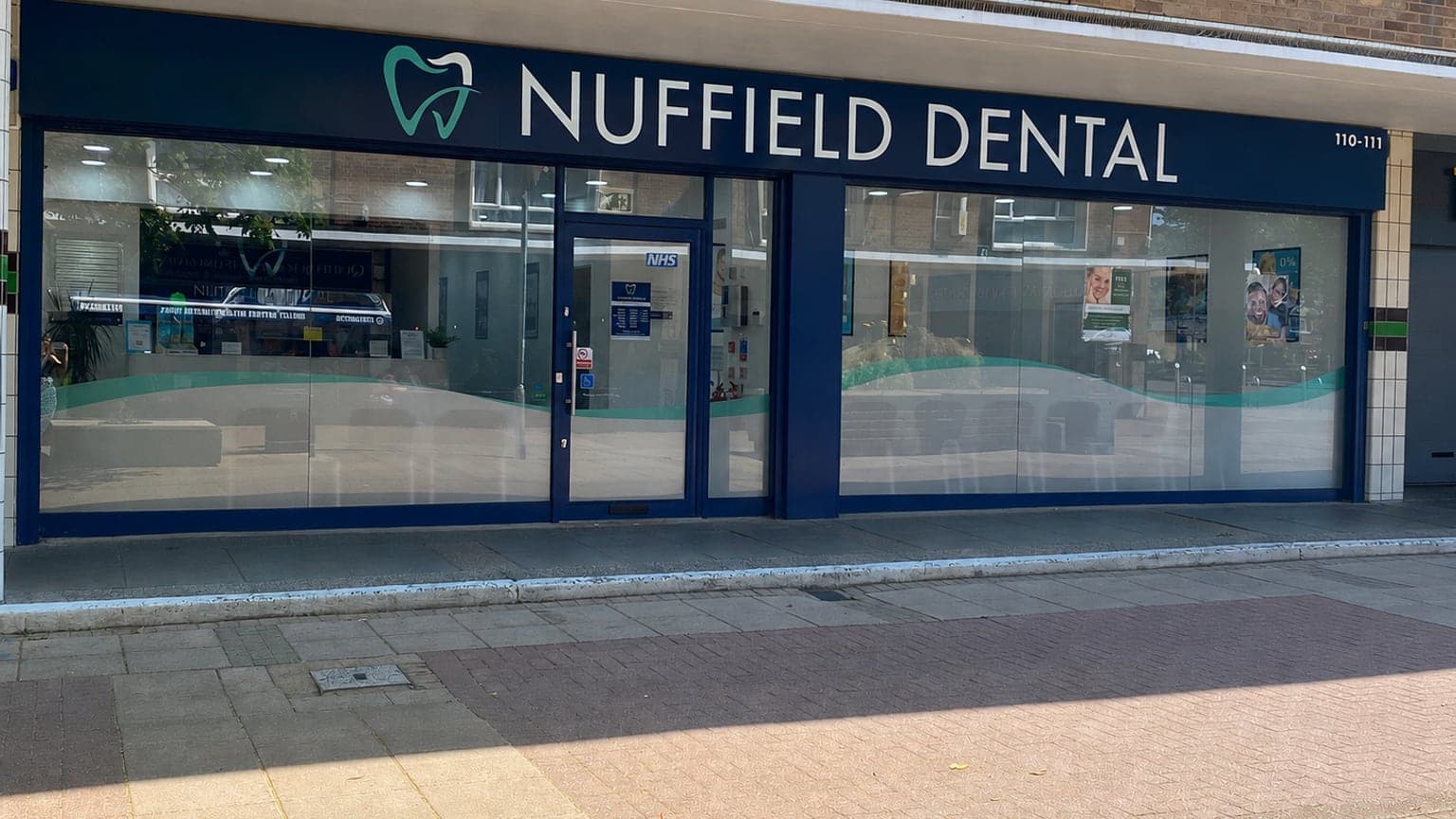
- Nuffield Dental Practice, Harlow: 01279 424 038
- Church Langley Dental, Harlow: 01279 306 690
- Enfield Smiles, Enfield: 020 8804 4320
Evening, weekend, or nowhere near us? Call NHS 111. If you're struggling to breathe or swallow, or swelling is spreading to your eye or neck, that's 999 or A&E.
What are the very first signs of gum disease?
The NHS lists the early signs as:
- Bleeding when you brush, floss, or eat something hard.
- Gums that are red, swollen or sore.
- Bad breath or a bad taste in your mouth.
For comparison, healthy gums are pink and firm, and sit snugly around each tooth like a well-fitted collar. Inflamed gums look redder, a bit puffy and shiny, especially along the edge next to the tooth. For more on what gum disease looks like, see the signs in my gum disease guide.
Bleeding is the one people notice first, usually as pink in the sink after brushing. It isn't normal for healthy gums to bleed with ordinary brushing, so please don't take it as just "one of those things". My guide explains why gums bleed when you brush.
Why doesn't gum disease hurt?
Here's the annoying bit. Most dental problems announce themselves with pain. Gum disease mostly doesn't. The MSD Manual notes that people with gingivitis usually have no pain, and that even the more advanced stage usually doesn't hurt unless an abscess forms.
Think of pain as your mouth's burglar alarm. Decay trips it. A cracked tooth trips it. Gum disease is the burglar who's found a way in through the side window and is quietly rearranging the furniture. Nothing goes off. That's why the quiet signs, the bleeding, the redness, the breath, are worth taking seriously even when everything feels fine.
It's also why I check gums at every check-up, whether or not you've noticed anything. A lot of gum disease is found by the dentist rather than the patient, and that's no failing on your part. It's just hard to see your own gum line in a bathroom mirror.
What are the signs it has gone further?
Left alone, gingivitis can progress to periodontitis, where the inflammation moves down to the bone and tissue holding the teeth in. The damage at that stage can't be undone, though it can be stabilised. The NHS and the MSD Manual describe signs such as:
- gums shrinking back so teeth look longer (receding gums)
- teeth that feel loose, or have shifted and started to gap
- pain when chewing
- a gum abscess, a painful swelling with pus
- bad breath that doesn't go away with brushing
If you've spotted any of these, I don't want you to panic, but I do want you seen sooner rather than later. The difference between the two stages is explained plainly in gingivitis vs periodontitis, and what's possible once it's established is in can gum disease be cured?
Could it be something other than gum disease?
Usually, sore or bleeding gums are down to plaque building up at the gum line. But a few other things can make gums more likely to bleed or swell. The MSD Manual lists pregnancy and hormone changes, diabetes, some medicines, and, less often, vitamin C deficiency or blood conditions such as leukaemia. Blood-thinning medicines can also make any bleeding last longer.
Two things I'd flag in particular:
- If it's just one spot, it may be something local, like food trapped next to a tooth or an old filling edge. See one small area of gum keeps bleeding or one gum suddenly swollen around one tooth.
- If you smoke, your gums may bleed less even when gum disease is there, because smoking can mask the usual warning signs. So "my gums don't bleed" isn't the reassurance it sounds like. No lecture from me, just a reason to keep your check-ups.
I'll keep this bit straight. The NHS says bleeding or bruising easily or for no reason should be checked by a GP. If your gums are bleeding and you've also got bruises you can't explain, or you feel tired, weak or unwell, see your GP promptly as well as your dentist.
When should I see a dentist about gum disease symptoms?
Book a check-up if:
- your gums bleed when you brush or floss, even a little
- your gums look red or puffy, or feel sore
- you've had bad breath or a bad taste that doesn't shift
- your gums look like they've shrunk back
The visit itself is simple. I'll look at your gums, gently measure the little gap between gum and tooth with a thin probe, and take X-rays if I need to see the bone. Then I'll tell you plainly what stage you're at and what happens next, which may be a clean with my hygiene team and some tips on cleaning between your teeth.
Call us today if:
- your gums are very sore and swollen
- a tooth has become loose
- you have a painful swelling on the gum, a bad taste or pus
- your gums are bleeding heavily or it won't stop (see my gum won't stop bleeding)
- you have swelling with a fever or feel unwell
See your GP promptly, or call NHS 111, if: your gums are bleeding and you're also bruising easily for no reason, or feeling unusually tired, weak or unwell.
Call 999 or go to A&E, not a dentist, if:
- it's hard to breathe, swallow or speak
- swelling is spreading towards your eye or into your neck
- your eye is swollen or painful, or your eyesight suddenly changes
- you can't open your mouth properly because of swelling
In the meantime, the NHS advice is to brush twice a day with fluoride toothpaste, clean between your teeth every day with floss or interdental brushes, and spit rather than rinse after brushing. Keep brushing even if your gums bleed. It's the plaque that's causing the trouble, not the toothbrush.
If you're near Harlow or Enfield and your gums have been bleeding for a while, I'd much rather take a look than have you spend another month rinsing pink and hoping. Early gum disease is one of the most fixable things I see, and the sooner it's caught, the easier it is.
This article is general information, not a diagnosis. Gum problems need examining in person to find the cause.